
Salads
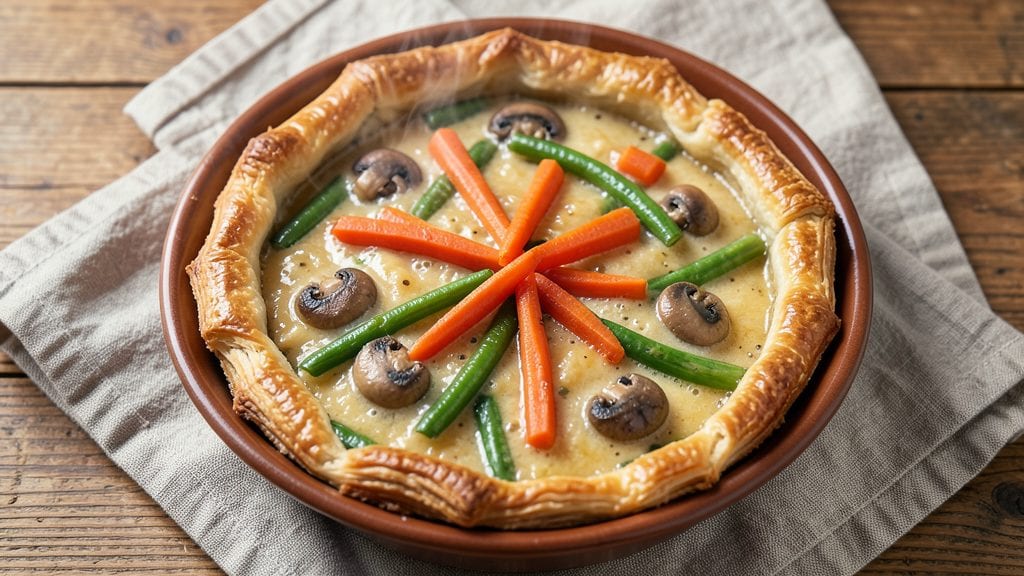
This vegetable pot pie recipe easy transforms simple ingredients into a comforting, one-dish masterpiece with a flaky crust and hearty filling.
I remember the first time my grandmother served this dish—it became the centerpiece of every family dinner, and now I'm sharing the foolproof method that delivers restaurant-quality results without the fuss. The secret lies in properly prepping the vegetables and building a rich, flavorful gravy base before assembling the pie.
What makes this recipe truly accessible is the flexibility—you can use store-bought crust for convenience or make your own for that authentic flakiness. The filling comes together in just 30 minutes of prep work, and the entire pie bakes to golden perfection in about 45 minutes.
Every bite delivers tender vegetables in a velvety sauce, topped with a crisp, buttery crust that holds up beautifully when sliced. It's the kind of dish that makes weeknight cooking feel special without requiring advanced skills.
The beauty of this vegetable pot pie is its versatility—it works as a cozy weeknight dinner or an impressive centerpiece for gatherings. Serve it with a simple side salad or crusty bread to soak up every last drop of that savory gravy.
The aroma alone will have everyone gathered around the table, and the first bite proves that homemade comfort food can be both effortless and extraordinary. Let's get started on creating this classic dish that brings warmth to any meal.
For those short on time, I've tested shortcuts like pre-cut frozen vegetables or pre-made pie crusts—both deliver excellent results without sacrificing flavor. The key is balancing the vegetables properly and ensuring the gravy is thick enough to hold everything together.
This recipe has been perfected through countless test batches, so you can trust it will turn out perfectly every time, just like my grandmother's original. The crust stays crisp, the filling remains tender, and the flavors meld beautifully during baking.
Ingredients for vegetable pot pie recipe easy
Pantry staples meet fresh produce—this easy pot pie delivers restaurant-quality flavor with minimal effort.
| Ingredient | Amount | Notes |
|---|---|---|
| All-Purpose Flour 🌾 | 2 ½ cups | For pie crust and gravy thickening |
| Unsalted Butter 🧈 | 1 cup | Cold, cubed for flaky crust |
| Ice Water 💧 | ½ cup | For pie crust binding |
| Chicken or Vegetable Broth 🍲 | 2 cups | Low-sodium preferred |
| Carrots 🥕 | 1 ½ lb | Peeled, cut into small cubes |
| Green Beans 🌿 | 1 lb | Trimmed, cut into 1-inch pieces |
| Russet Potatoes 🥔 | 1 ½ lb | Peeled, cut into small cubes |
| Yellow Onion 🧅 | 1 whole | Diced, small pieces |
| Garlic Cloves 🧄 | 4 cloves | Minced, for flavor base |
| Fresh Thyme Leaves 🌿 | 1 tbsp | Or 1 tsp dried thyme |
| Fresh Parsley 🌿 | ¼ cup | Chopped, for garnish |
| Salt 🧂 | 1 ½ tsp | Diamond Crystal preferred |
| Ground Black Pepper 🌶️ | ½ tsp | Freshly ground preferred |
| Heavy Cream 🥛 | ½ cup | Full-fat for richness |
The crust is where this pie shines. Use cold butter—never softened—and cut it into small cubes for maximum flakiness. I grab Land O'Lakes unsalted butter from the store, but any brand works. For the filling, fresh vegetables make all the difference—carrots should be vibrant orange, potatoes firm with no sprouts, and green beans crisp. The yellow onion? Slice it thin so it cooks down completely. If you're short on time, frozen veggies work perfectly—just thaw and pat dry before using. The chicken or vegetable broth base is where the magic happens—use low-sodium to control seasoning.
No thyme? Fresh oregano or rosemary works in a pinch, though thyme's earthy notes are ideal. Heavy cream can be swapped for half-and-half or whole milk if you're watching fat, but trust me on the full-fat version. The pie crust can be store-bought (I love Pillsbury Classic for quick weeknights), or homemade if you're feeling ambitious. For the gravy, roux-building is key—cook the butter and flour until golden for that nutty depth. If you're using frozen veggies, don't skip the saltwater soak to remove excess ice crystals. The potatoes need to be cut small enough to cook through but not so small they turn to mush.
This pie reheats beautifully—just cover with foil and bake at 375°F for 15-20 minutes. Keeps for 4-5 days in the fridge, freezes for 3 months if wrapped tightly. I always make a double batch—the leftovers make amazing lunches. For serving, a simple side salad with balsamic vinaigrette cuts through the richness. The crust stays crisp for about 30 minutes after baking, so slice while warm. Store any leftovers in an airtight container with parchment between layers to keep it fresh.
Why You'll Love This Recipe
- No-Fuss Dough: The crust comes together with just flour, butter, and ice water—no chilling, no rolling pins. I swear, even if you’re the kind who burns toast, you’ll nail this flaky top.
- Carrot Magic: Sweet, tender carrots melt into the broth, balancing the savory broth with just enough natural sweetness. Honestly, it’s the little detail that makes this feel like a restaurant dish.
- Leftovers Win: This pie reheats beautifully—whether it’s for lunch the next day or a quick dinner. I’ll be real: my kids fight over the leftovers, and I don’t even have to pretend it’s a special occasion.
- Budget-Friendly Feast: Uses pantry staples (flour, butter, broth) and stretches into multiple meals without breaking the bank. Between us, this is how I feed my family well without stressing over grocery bills.
Step-by-step instructions for vegetable pot pie with flaky crust
Here's how to build a restaurant-worthy pot pie with minimal effort and maximum flavor.
Prepare the Flaky Pie Crust
In a large mixing bowl, combine the 2.5 cups all-purpose flour with 1.5 teaspoons salt and 0.5 teaspoon ground black pepper. Cut in the 1 cup unsalted butter using a pastry cutter or your fingers until the mixture resembles coarse crumbs with pea-sized butter pieces. This texture is crucial for that signature flaky layers.
Gradually add the 0.5 cup ice water, 1 tablespoon at a time, mixing gently with a fork until the dough just comes together. Avoid overworking it—just until it holds when pressed. Shape into a disk, wrap in plastic, and chill for 30 minutes. The cold dough prevents shrinking and ensures crisp layers when baked.
Sauté the Vegetable Base
In a large Dutch oven, melt 2 tablespoons butter over medium heat. Add the diced 1 whole yellow onion and cook for 5 minutes until softened. Add the 4 minced garlic cloves and 1 tablespoon fresh thyme leaves, cooking for 30 seconds until fragrant. This aromatic base forms the flavor foundation for the entire dish.
Add the 1.5 pounds carrots, 1 pound green beans, and 1.5 pounds russet potatoes, tossing to coat in the butter. Cook for 8-10 minutes, stirring occasionally, until the vegetables begin to soften. Pour in the 2 cups chicken or vegetable broth and bring to a gentle simmer. Cover and cook for 15 minutes until the vegetables are tender but not mushy.
Thicken the Filling
Remove the lid and increase heat to medium-high. Stir in the 0.5 cup heavy cream and bring to a gentle boil. In a small bowl, whisk together 2 tablespoons flour with 2 tablespoons cold water to make a slurry. Slowly pour this into the pot, stirring constantly for 2-3 minutes until the mixture thickens to a gravy-like consistency. This step ensures your filling has that perfect silky texture.
Season with an additional 0.5 teaspoon salt if needed, then remove from heat. The filling should coat the back of a spoon but still be spoonable. If it's too thick, add 1 tablespoon broth to loosen. Let it cool slightly while you prepare the crust.
Assemble and Bake the Pot Pie
Preheat your oven to 375°F. Roll out the chilled dough on a floured surface to a 12-inch circle (about ⅛-inch thick). Carefully transfer the vegetable filling to a 9-inch pie dish, spreading it evenly. Place the dough over the top, trimming any excess.
Cut 4-5 slits in the center of the dough to allow steam to escape. Brush the top with a beaten egg (optional) for extra golden color. Bake for 35-40 minutes until the crust is golden brown and the filling is bubbling through the slits. The crust should be crisp while the filling remains warm and creamy inside.
Rest and Serve
Remove from the oven and let the pot pie rest for 10 minutes before serving. This resting period allows the filling to set slightly, making it easier to slice and preventing spillage. Garnish with 0.25 cup chopped fresh parsley just before serving for a pop of fresh color and brightness.
Slice into wedges and serve immediately. The contrast of the crisp, golden crust with the creamy vegetable filling makes every bite satisfying. Leftovers keep well in the refrigerator for up to 3 days, though they rarely last that long in my house!
Pro Tips For Making Vegetable Pot Pie Recipe Easy
- Cut Carrots Small: I used to think "chopped" meant "roughly." Wrong. For this pie, dice carrots into ¼-inch pieces—they’ll cook evenly and blend into the filling instead of turning to mush or staying crunchy. (Yes, it’s tedious, but your filling will taste like a pro’s.)
- Chill the Dough: Roll out that butter-flour dough after it’s rested in the fridge for 20 minutes. Warm dough spreads like a bad rumor, and you’ll end up with a sad, thin crust. Keep it cold—your future pie’s flakiness depends on it.
- Deglaze the Pan: After sautéing your carrots, don’t just add broth. Scrape up those browned bits with a wooden spoon—they’re packed with flavor. A splash of broth or wine here makes the filling taste like it simmered for hours, not 15 minutes.
- Brush, Don’t Drown: Egg wash is for show, but butter is for flavor. Melt 1 tablespoon of that leftover pie butter, brush it on the crust before baking, and you’ll get a golden top without sogginess. (Bonus: It’s cheaper than egg wash and just as effective.)
Common mistakes when making this recipe
Overcooked Vegetables
I’ve ruined more pot pies than I’ll admit by letting the veggies turn to mush. The key is timing—carrots and potatoes need to soften but stay intact. Cut them into even, small cubes (about ½-inch) so they cook uniformly.
If your filling looks watery after simmering, uncover the pot and cook for an extra 5 minutes to evaporate excess liquid. Trust me, mushy veggies are a dealbreaker. 🥔
Underseasoned Filling
Nothing kills flavor faster than bland filling. Taste your veggie mixture before adding the gravy—it should already have a base of salt and pepper. If you’re using low-sodium broth, add 1 extra teaspoon of salt to the filling.
The heavy cream adds richness, but don’t skip the thyme or garlic; they’re the secret to depth. I’ve learned the hard way that a little extra seasoning now saves you from over-salting later. 🧂
Skipping the Roux
That flour-and-butter slurry isn’t just for thickening—it’s the flavor anchor. If you rush and skip it, your filling will taste thin and flat. Whisk the 2 tbsp flour with cold water into a smooth paste before adding it to the pot.
Cook it for 2-3 minutes until golden—this nutty roux builds layers of flavor. Pro tip: Use a whisk to avoid lumps, and stir constantly to prevent burning. 🔥
Uneven Crust Thickness
A lopsided crust is the fastest way to ruin a pot pie’s presentation. Roll the dough evenly on a floured surface, and use a 12-inch ruler to check thickness—it should be about ⅛-inch thick.
If one side is thicker, gently stretch it while rolling. For extra insurance, chill the dough for 30 minutes before transferring to prevent shrinking. A well-rolled crust bakes evenly and stays crisp. 🥧
Overfilling the Pie
Stuffing too much filling into the pie dish is a rookie mistake. The dough needs room to expand and crisp up. Fill the 9-inch pie dish only ¾ full—this prevents the crust from puffing up unevenly or tearing during baking.
If your filling is too thick, thin it with 1 tbsp broth before assembling. The crust should sit flat and smooth over the top, not bulge. 💡
Not Resting Before Slicing
Cutting into a hot pot pie is tempting, but it’s a recipe for disaster. The filling needs 10 minutes to set** after baking, or it’ll spill out like a sad, runny mess.
Let it cool slightly on a wire rack—this also helps the crust firm up. Patience here makes all the difference between a clean slice and a gravy-soaked disaster. ✨
Nutrition facts
Frequently asked questions
Can I use frozen vegetables instead of fresh?
Frozen vegetables work perfectly—just thaw and pat them dry before adding to the pot. This prevents excess moisture from making your filling watery. I've tested this with great results using frozen peas, corn, or mixed veggies. For best texture, don't skip the saltwater soak to remove ice crystals.
How do I make this gluten-free?
Replace the all-purpose flour with a 1:1 gluten-free flour blend for the crust, and use cornstarch or arrowroot powder instead of regular flour for the roux. For the crust, add 1 extra tablespoon of xanthan gum to help with binding. The filling will still be delicious with these substitutions—just ensure your pie dish is properly greased.
What's the best way to reheat leftovers?
Cover the pot pie with foil and reheat at 375°F for 15-20 minutes until warmed through. For individual servings, microwave for 90 seconds covered with a damp paper towel. The crust stays crisp when reheated properly—just avoid direct microwave heat that can make it soggy.
Can I make this ahead of time?
Yes! Assemble the pie and refrigerate for up to 24 hours before baking. For make-ahead freezing, bake the pie first, then cool completely, wrap tightly in foil, and freeze for up to 3 months. Thaw overnight in the fridge before reheating. This is perfect for meal prep—just bake when ready to serve!
What vegetables can I substitute?
Feel free to swap based on what you have! Try zucchini, cauliflower, or mushrooms for extra flavor. For heartier options, add butternut squash or bell peppers. Just adjust cooking times—denser veggies like squash need longer to soften. The key is cutting them evenly for consistent doneness.