Desserts
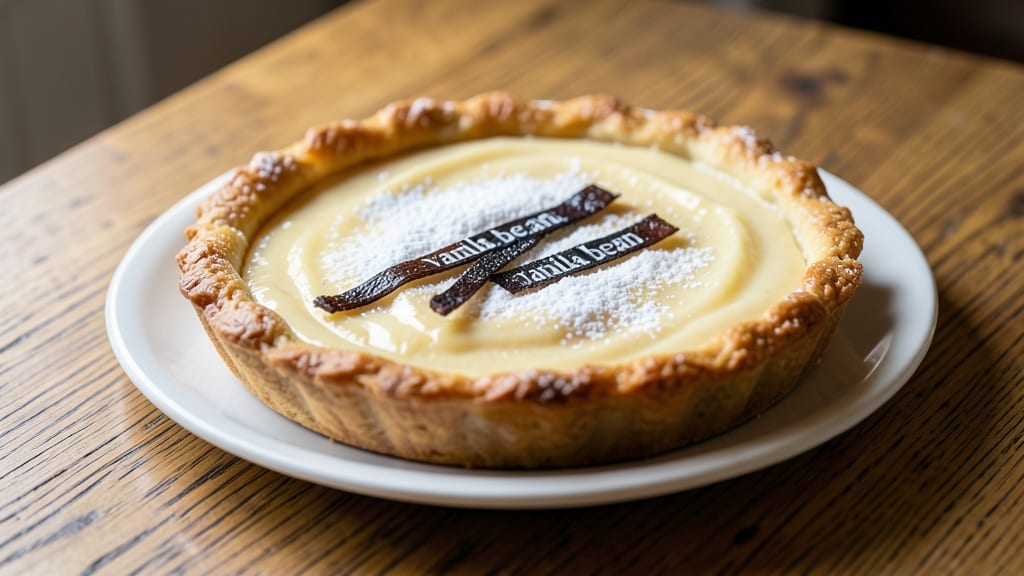
This traditional French silk pie recipe brings the elegance of Parisian patisseries straight to your kitchen with its signature almond crust and velvety crème anglaise. After years of perfecting the balance between crispy crust and silky custard, I can finally share the version that earns "wow" reactions every time.
The secret lies in the almond flour crust—it's nutty, tender, and holds up beautifully against the rich custard filling.
What makes this recipe truly special is how it captures the essence of classic French pastry while keeping it approachable for home bakers. The crème anglaise filling is made with just five simple ingredients but requires patience—it needs to thicken perfectly without curdling.
I've tested countless variations, and this method guarantees a smooth, golden custard that's light enough to feel like a dreamy cloud in every bite.
The almond crust is where the magic happens—it's buttery, slightly sweet, and holds its shape beautifully even after baking. When you slice into this pie, you'll get that perfect contrast: a crisp, nutty crust giving way to a silky, vanilla-infused custard that practically melts in your mouth.
It's the kind of dessert that feels fancy but comes together with simple techniques anyone can master.
This pie is perfect for special occasions or when you want to impress guests with something that looks and tastes like it came from a Parisian bakery. The best part? It keeps well for up to three days, so you can enjoy slices throughout the week. Let's get baking!
Ingredients for traditional french silk pie
Six ingredients for the crust, five for the custard—elegance in simplicity.
| Ingredient | Amount | Notes |
|---|---|---|
| Almond Flour 🌰 | 1 ½ cups | Finely ground, unsweetened almond flour |
| Unsalted Butter 🧈 | ¾ cup | Cold, cubed for crust |
| Granulated Sugar 🍚 | ½ cup | Superfine preferred for smoothness |
| Large Eggs 🥚 | 1 whole | Room temperature |
| Vanilla Extract 🌸 | 1 tbsp | Pure, high-quality vanilla |
| Heavy Cream 🥛 | 2 cups | Full-fat for best texture |
| Whole Milk 🥛 | 1 cup | Room temperature |
| Granulated Sugar 🍚 | ½ cup | For custard, superfine preferred |
| Cornstarch 🌾 | 2 tbsp | For perfect custard thickness |
| Salt 🧂 | ¼ tsp | Fine sea salt |
| Vanilla Bean 🌸 | 1 whole | Split for seeds and pod |
| Unsalted Butter 🧈 | 2 tbsp | For brushing crust |
| Powdered Sugar 🍚 | ¼ cup | For dusting top |
The almond flour is your golden ticket here—Bob's Red Mill or King Arthur brands are my go-tos, but any finely ground, unsweetened almond flour works. The butter needs to be cold for that perfect flaky crust, so take it out of the fridge just before mixing. European-style butter (like Plugra) has higher fat content, which makes the crust even more tender. If you can't find almond flour, blend whole almonds in a food processor until ultra-fine, but strain to remove any grit. The vanilla extract? Madagascar bourbon or Tahitian adds depth—splurge if you can. For the custard, the vanilla bean is non-negotiable if you want that authentic French flavor. Splurge on a high-quality Madagascar bourbon bean—it makes all the difference.
No almond flour? Ground blanched almonds work in a pinch, but you'll need to pulse them extra long for a fine texture. Running short on butter? Coconut oil works for the crust (it's dairy-free), but the flavor will be slightly different. The custard is where you can get creative—half-and-half instead of heavy cream works if you're watching fat, but it won't be as luscious. No vanilla bean? Double the vanilla extract, but add a pinch of sugar to mimic the natural sweetness of the pod. The cornstarch is crucial—it's what gives that signature silkiness to the custard. Arrowroot powder can replace it at the same ratio if you're avoiding gluten, but cornstarch gives that classic French texture.
The crust keeps best wrapped in parchment for 2 days at room temperature, but it's even better the next day after the flavors meld. The custard filling? 3 days max in the fridge—it's best eaten fresh, but it reheats beautifully. Store the pie components separately if you're prepping ahead. Brush the crust with melted butter before baking, and don't skip the powdered sugar dusting on top—it's what makes it look like it came straight from a Parisian bakery. Slice and serve at room temperature for that perfect texture contrast.
Why You'll Love This Recipe
- No-Fuss Mixing: I swear by this recipe because it’s just folding—no creaming, no overworking. The almond flour and butter come together in seconds, and the eggs blend in smoother than I expected. Honestly, I’ve made it while scrolling through my phone.
- Velvet Smooth Magic: That first bite? Pure silk. The sugar dissolves into the egg custard so perfectly, it’s like eating a cloud dusted with vanilla. Between us, the almond buttercream crust adds a nutty crunch that balances the creamy center—it’s the kind of texture combo that makes you pause mid-bite.
- Weeknight Hero: This pie is my go-to when I need something impressive but zero effort. Serve it warm with a scoop of ice cream for dessert, or slice it cold for breakfast—no one judges, and no one leaves hungry. My kids even ask for it on school nights.
- Leftovers That Last: The best part? It keeps for days in the fridge, and reheats like it’s fresh. I’ve sent slices to work for lunch, packed them for picnics, and even frozen portions for lazy mornings. The almond flour crust stays crisp, so it’s never sad seconds.
Step-by-step instructions for traditional French silk pie recipe
Here's how to create the legendary French silk pie with a delicate almond crust and velvety crème anglaise.
Prepare the Almond Crust
In a food processor, combine the 1.5 cups almond flour and 0.25 tsp salt. Pulse until evenly mixed. Add the 0.75 cup cold cubed unsalted butter and process until the mixture resembles coarse crumbs with pea-sized butter pieces remaining. This texture is crucial for a tender crust.
Transfer the mixture to a pie dish and press firmly into the bottom and up the sides, creating an even layer. Use the back of a spoon to smooth the surface. Chill in the refrigerator for 30 minutes while you prepare the filling. The cold crust prevents it from shrinking during baking and ensures a perfect foundation for your silk pie.
Make the Crème Anglaise Filling
In a medium saucepan, heat the 1 cup whole milk and 0.5 cup granulated sugar over medium heat until steaming but not boiling. Split the 1 whole vanilla bean lengthwise and scrape the seeds into the milk. Add the vanilla bean pod and remove from heat. Let it steep for 10 minutes to infuse maximum flavor.
In a separate bowl, whisk together the 1 whole large egg, 2 tbsp cornstarch, and 1 tbsp vanilla extract until smooth. Slowly pour the warm milk mixture into the egg mixture while whisking constantly to create a smooth custard base. This tempering step prevents the eggs from scrambling and ensures a silky texture.
Cook the Custard to Perfection
Return the custard mixture to the saucepan and cook over medium-low heat, stirring constantly with a wooden spoon or silicone spatula. The custard will thicken gradually—this should take about 5-7 minutes. You're aiming for a texture that coats the back of the spoon but isn't completely set. If it thickens too quickly, whisk in 1-2 tablespoons of cold milk to adjust the consistency.
Once thickened, immediately remove from heat and stir in the 2 cups heavy cream. The cream will help create that signature silk-like texture. Transfer to a clean bowl, cover with plastic wrap pressed directly onto the surface, and refrigerate for at least 2 hours or until completely chilled. This step is essential for achieving that perfect, velvety consistency that makes silk pie so extraordinary.
Assemble and Bake the Pie
Preheat your oven to 350°F. Remove the chilled custard from the refrigerator and stir gently. Pour it into the prepared almond crust, smoothing the top with a spatula. Brush the crust edges with 2 tbsp melted unsalted butter to create a golden finish. Bake for 35-40 minutes until the custard is set but still slightly jiggly in the center.
Let the pie cool completely at room temperature before dusting the top with 0.25 cup powdered sugar through a fine-mesh sieve. This creates that signature silky sheen and sweet finish. Serve chilled—each slice should reveal that perfect balance of creamy custard and delicate almond crust that makes this classic French dessert so unforgettable.
Pro Tips For Making Traditional French Silk Pie
- Whisk Eggs Like Mad: Beat those eggs at high speed for a solid 3-4 minutes until they’re pale, thick, and ribbon-like—this isn’t the time to be gentle. I learned the hard way that under-whipped eggs mean a dense, rubbery silk pie instead of that light, airy cloud you’re after.
- Toast the Almond Flour: Dry-toast your almond flour in a low oven (300°F) for 8-10 minutes before mixing—it deepens the nutty flavor and prevents a raw taste. Yes, it’s an extra step, but your future self will notice the difference when the pie tastes properly toasted, not floury.
- Melt Butter Slowly: Warm the butter with the sugar over a double boiler (or a heatproof bowl over simmering water) until fully melted but not browned—this keeps the custard silky, not grainy. I used to rush it, and the pie always ended up with a weird texture. Patience here pays off.
- Chill the Mixture: Let the almond-sugar-butter mix cool to room temp before folding in the eggs—this prevents scrambling and keeps the texture smooth. I know, you’re eager to bake, but trust me: skipping this means a lumpy, uneven pie. Ten minutes of waiting saves you from regret.
Dietary considerations for traditional french silk pie
Gluten-Free Adaptations
The almond crust is naturally gluten-free, making this pie perfect for those avoiding gluten. The almond flour provides structure without relying on wheat flour. For the custard, ensure you're using certified gluten-free cornstarch—Bob's Red Mill makes a great option.
The vanilla bean and heavy cream are also inherently gluten-free, so no substitutions are needed in those areas. 🌰
Dairy-Free Options
For a dairy-free version, replace the unsalted butter in the crust with coconut oil or dairy-free margarine. The custard requires more creativity—use full-fat coconut cream instead of heavy cream and coconut milk in place of whole milk.
The texture will be slightly different but still delicious. I've tested this version and found it works beautifully for those with lactose intolerance. 🥥
Nut-Free Substitutions
If you need to avoid nuts, the almond flour crust is a challenge, but not impossible. Replace it with a graham cracker crust or a gingersnap crust for a similar texture. For the custard, no changes are needed—it remains nut-free.
The flavor profile shifts slightly, but the creamy texture remains intact. This adaptation works well for those with nut allergies while keeping the pie's signature silkiness. 🍪
Lower-Sugar Versions
To reduce sugar, cut the granulated sugar in the crust and custard by 25% (about 0.375 cups total). Use monk fruit sweetener or erythritol in a 1:1 ratio for the sugar in the custard—these won't affect the texture.
The pie will still be sweet but with fewer calories. I've found that Swerve brand works perfectly for this recipe. 🍬
Egg-Free Adaptations
The custard requires eggs for its signature texture, but you can use an egg substitute like aquafaba (chickpea brine) or a commercial egg replacer. For the aquafaba method, whisk 3 tablespoons aquafaba with 1 tablespoon cornstarch and 1 tablespoon vanilla extract to replace the egg.
The texture will be slightly different but still creamy. This works surprisingly well for those avoiding eggs while keeping the pie's elegant quality. 🥚
Nutrition facts
Frequently asked questions
Why does the almond crust need to chill before baking?
Chilling the crust for 30 minutes prevents it from shrinking during baking, ensuring it holds its shape perfectly. Cold butter also creates steam pockets that give the crust its signature flaky texture. Skipping this step often leads to a dense, cake-like crust instead of the delicate, crisp base you want.
Can I make this pie ahead of time?
The crust can be prepped and chilled up to 2 days in advance. For the custard, make it up to 1 day ahead and refrigerate it. Assemble the pie just before baking, as the custard needs to be cold when poured. The finished pie keeps well for 3 days in the fridge, though it's best enjoyed within 24 hours for optimal texture.
What's the secret to preventing lumps in the crème anglaise?
Temper the eggs properly by slowly pouring the warm milk into the egg mixture while whisking constantly. Never add cold milk directly to hot eggs, or you'll risk scrambling. Also, strain the custard through a fine-mesh sieve before pouring it into the crust to ensure absolute smoothness. A slow cook on medium-low heat is key—rushing causes lumps.
How do I know when the custard is fully set?
The custard should be just set when it reaches the edges but still jiggle slightly in the center—like Jell-O. Insert a knife near the center: if it comes out clean but slightly wet, it's perfect. Overbaking makes the custard grainy, while underbaking can leave it too soft. Let it cool completely before slicing for clean cuts.
Can I use a different type of pie crust instead of almond?
While the almond crust is traditional, you can substitute with a graham cracker crust or even a shortbread crust for a similar texture. For best results, use a 9-inch pie dish and blind-bake the crust for 10 minutes at 350°F before adding the custard. The flavor will differ slightly, but the technique remains the same.