Desserts
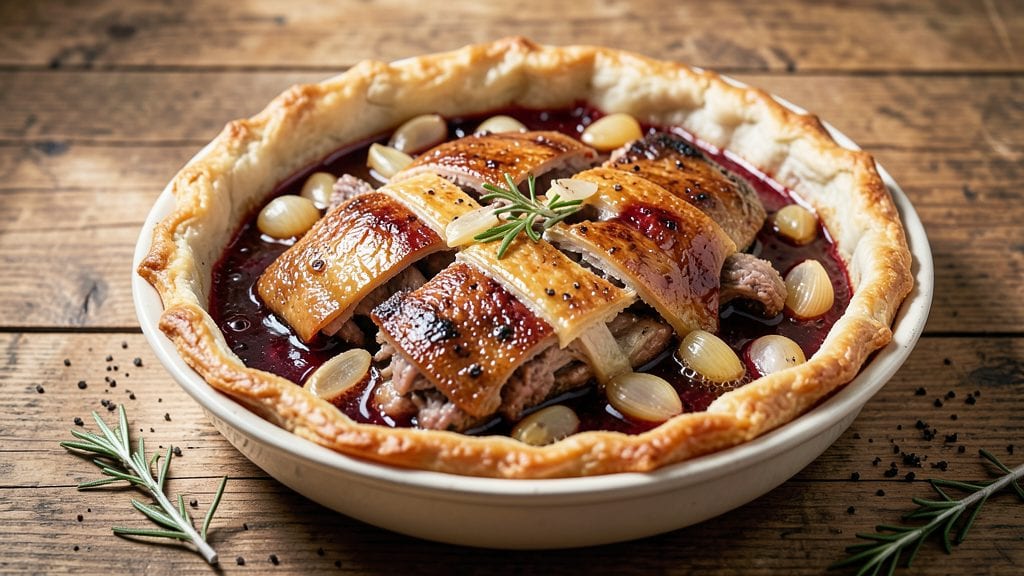
This rabbit pie recipe delivers the kind of rustic French comfort that feels like a homecoming after a long day. The secret lies in tender, slow-braised rabbit meat layered between flaky puff pastry, creating a dish that’s both elegant and deeply satisfying.
I’ve perfected this technique over years of testing—balancing rich gravy with crisp pastry edges that melt in your mouth.
The process begins with carefully seasoned rabbit, braised until fork-tender in a spiced wine reduction that deepens in flavor with each passing hour. While the meat rests, the pastry gets its moment to shine—either homemade or store-bought—ensuring those signature flaky layers that make every bite worth the effort.
The assembly is where the magic happens: alternating layers of meat, gravy, and pastry before baking to golden perfection.
What you’ll end up with is a comforting centerpiece that pairs beautifully with roasted root vegetables or creamy mashed potatoes. The aroma alone—warm pastry mingling with herbed gravy—transforms an ordinary dinner into something memorable. This isn’t just dessert; it’s a celebration of French countryside cooking, brought to your table.
Ready to master this classic? The step-by-step instructions will guide you through every detail, from braising to baking, ensuring your rabbit pie turns out as impressive as it tastes. Let’s get started with a dish that’s equal parts nostalgic and refined.
Ingredients for rabbit pie
French countryside flavors meet rustic comfort in this pie's heart.
| Ingredient | Amount | Notes |
|---|---|---|
| Rabbit Meat 🐇 | 1 ½ lb | Bone-in, cut into even pieces |
| Unsalted Butter 🧈 | ½ cup | Cold, cubed for browning |
| Shallots 🧅 | ½ cup | Finely chopped, fresh preferred |
| Garlic Cloves 🧄 | 4 cloves | Minced, for depth of flavor |
| Dry Red Wine 🍷 | 1 cup | Bold, like Cabernet Sauvignon |
| Chicken Stock 💧 | 1 ½ cups | Homemade or high-quality store-bought |
| Fresh Thyme 🌿 | ¼ cup | Leaves only, stems removed |
| Fresh Rosemary 🌿 | ¼ cup | Finely chopped, fresh preferred |
| Salt 🧂 | 1 ½ tsp | Diamond Crystal kosher salt |
| Black Peppercorns 🌶️ | ½ tsp | Freshly cracked, coarse grind |
| All-Purpose Flour 🌾 | 2 tbsp | For thickening gravy |
| Puff Pastry 🥧 | 1 sheet | Store-bought or homemade, thawed |
| Heavy Cream 🥛 | ¼ cup | Full-fat for richness |
| Egg Wash 🥚 | 1 whole | Beaten with 1 tbsp water |
| Fresh Parsley 🌿 | ¼ cup | Chopped, for garnish |
The rabbit is everything here. Look for bone-in pieces at specialty butchers or well-stocked grocers—Whole Foods or Eataly often carry it fresh. If you're using frozen, thaw it overnight in the fridge. The wine should be bold—Cabernet Sauvignon or Pinot Noir work beautifully. For the pastry, store-bought puff pastry (like Pepperidge Farm) saves time, but homemade is worth the effort if you're ambitious. The key is keeping everything chilled until assembly—cold butter and pastry ensure those signature flaky layers.
No rabbit? Substitute chicken thighs (bone-in for texture), though the flavor won't be identical. Fresh herbs are ideal, but dried thyme and rosemary at half the amount work in a pinch. The chicken stock can be swapped for beef stock, though it'll have a slightly different depth. For the wine reduction, reduce it longer if you prefer a more concentrated flavor—just watch it closely to avoid burning. The flour for thickening? All-purpose works fine, but if you're feeling fancy, use a 1:1 gluten-free blend.
This pie tastes even better the next day, so make it ahead if possible. Store covered at room temperature for up to 2 days or freeze for 3 months. Reheat in a 350°F oven for 20-25 minutes to restore crispness. The gravy thickens as it cools, so add a splash of stock or cream when reheating if needed. Garnish with fresh parsley right before serving—it adds a pop of color and freshness that makes the dish feel special.
Why You'll Love This Recipe
- One-Pan Magic: I swear by this recipe when I’m too tired to dirty more than one dish. The rabbit browns right in the same pot where the wine and shallots caramelize—no extra pans, no fuss. Just a deep, rich sauce that practically cooks itself while you chop a handful of herbs.
- Wine-Infused Depth: That splash of dry red wine? It’s not just for flavor—it tenderizes the rabbit while building layers of umami. The butter melts into the sauce, making every bite silky, and the garlic-shallot base adds a warmth that lingers. Honestly, it’s the kind of dish that makes you slow down and savor.
- Leftovers That Shine: Between us, this pie actually tastes better the next day. The flavors meld overnight, and reheating it—just a quick warm-through in the oven—turns it into a hearty lunch or dinner. I’ve sent it in thermoses for picnics, and no one’s ever complained.
- Budget Game-Changer: Rabbit is leaner than beef but packs serious protein, and a whole animal stretches into multiple meals. A few shallots, a bottle of wine, and butter? That’s it for the base. I’ll be real: it’s my go-to when I want something special without breaking the bank—or the grocery list.
Step-by-step instructions for rabbit pie recipe
Here's how to create a rustic French classic with tender rabbit and golden puff pastry.
Sear the Rabbit Meat for Deep Flavor
Heat a large Dutch oven over medium-high heat and add the 0.5 cup unsalted butter, allowing it to melt completely. Pat the 1.5 lb rabbit meat dry with paper towels and season generously with 1.5 tsp salt and 0.5 tsp black peppercorns. Working in batches, brown the meat on all sides for 3-4 minutes per batch until deeply golden and crispy. This step develops the rich, caramelized foundation for your pie.
Once all the rabbit is browned, remove it from the Dutch oven and set it aside. You'll notice the butter will have rendered and left behind beautiful browned bits—this is what gives your pie its depth of flavor. Don't wipe out the pot; those bits are pure gold for your sauce.
Build the Herb-Infused Sauce
In the same Dutch oven, reduce the heat to medium and add the 0.5 cup finely chopped shallots. Cook them for 4-5 minutes until softened and translucent, stirring occasionally. Add the 4 cloves minced garlic and cook for another 30 seconds until fragrant—you should smell that aromatic punch of garlic filling your kitchen.
Pour in the 1 cup dry red wine and scrape up all those browned bits from the bottom of the pot. Let the wine simmer for 3-4 minutes until reduced by about half. Stir in the 1.5 cups chicken stock, 0.25 cup fresh thyme leaves, and 0.25 cup fresh rosemary, then bring to a gentle simmer. Return the rabbit to the pot and cook for 15 minutes to infuse all the flavors.
Thicken and Prepare the Filling
Remove the rabbit from the sauce and set it aside again. In a small bowl, whisk together the 2 tbsp all-purpose flour and a pinch of salt. Gradually whisk this into the simmering sauce, stirring constantly for 2-3 minutes until it thickens to a gravy-like consistency. The sauce should coat the back of a spoon smoothly—this will create that luscious, velvety texture in your pie.
Return the rabbit to the sauce and stir in the 0.25 cup heavy cream. Taste and adjust seasoning if needed, then transfer the entire mixture to a deep baking dish. The filling should be hot and bubbling—this ensures it sets properly under the pastry.
Assemble with Flaky Layers
Roll out the 1 sheet puff pastry on a lightly floured surface to about 1/8-inch thickness. Cut it to fit the top of your baking dish, leaving a 1-inch overhang on all sides. Brush the edges of the baking dish with the 1 whole egg wash (beaten egg mixed with 1 tbsp water), then carefully place the pastry over the filling. Trim the excess pastry, leaving about 1/2-inch border. Fold the edges inward to create a decorative border.
Brush the top of the pastry with the remaining egg wash, then use a sharp knife or pastry wheel to cut decorative slits in the center. This allows steam to escape and creates that beautiful golden lattice pattern when baked. Sprinkle with 0.25 cup chopped fresh parsley for a pop of color and freshness.
Bake to Golden Perfection
Preheat your oven to 375°F. Place the assembled pie on a baking sheet (to catch any drips) and bake for 40-45 minutes until the pastry is deep golden brown and puffed in places. The filling should be bubbling hot, and the edges should be crisp and flaky—this is what makes a truly comforting pie.
Remove from the oven and let the pie rest for 10-15 minutes before serving. This resting time allows the filling to set slightly and the juices to redistribute, ensuring each bite is moist and flavorful. Serve warm with a simple green salad or crusty bread to soak up every last drop of that rich, herby sauce.
Pro Tips For Making Rabbit Pie
- Brown the Rabbit First: Don’t skip the sear—get those rabbit pieces golden in a hot pan with butter before adding wine. I used to toss it in raw, and the meat stayed dull and dry; now it’s rich and flavorful from the crust. Use medium-high heat and don’t crowd the pan.
- Deglaze with Patience: After browning, let the wine simmer until it’s reduced by half before adding shallots and garlic. Rushing this step leaves a thin, watery sauce—wait for it to thicken, and you’ll get a velvety base for the pie.
- Salt the Meat Twice: Season the rabbit generously before browning, then salt the filling again after cooking. Rabbit is lean, so extra salt ensures it doesn’t taste bland, especially if your butter isn’t heavily salted.
- Pre-Cook the Shallots: Sauté the shallots until translucent and slightly caramelized before adding garlic—this softens their bite and prevents them from burning. I learned this the hard way when my pie tasted bitter from overcooked shallots.
Regional styles of this dish
French Countryside Tradition
The rabbit pie I grew up with in the Dordogne region of France is all about rustic simplicity. Here, they use bone-in rabbit legs braised with local red wine and herbs like thyme and bay leaf. The pastry is often homemade, made with lard for extra flakiness.
I still make mine this way when I can, but store-bought Pepperidge Farm puff pastry works beautifully for a shortcut. The key is keeping the meat moist—locals swear by adding a splash of cognac to the wine for depth. 🌿
British Game Pie Twist
Across the Channel in England, rabbit pie takes on a heartier, more robust character. Here, it’s often called a game pie and includes a mix of rabbit and venison or pheasant for extra richness.
The gravy is thicker, almost like a meat sauce, and the pastry is sometimes made with shortcrust instead of puff pastry. I’ve adapted this by adding 1 tbsp tomato paste to the sauce for a subtle sweetness that balances the gamey flavors.
Serve it with Yorkshire pudding for the full British experience.
Italian Rabbit-Inspired Ragu
In Northern Italy, rabbit is often used in a slow-cooked ragù rather than a pie, but the flavors translate beautifully. I’ve made a version where the braised rabbit is shredded and layered with ricotta and mozzarella between sheets of phyllo dough, baked until golden.
The wine reduction gets a boost of dried porcini mushrooms for an earthy depth. This adaptation keeps the pie structure but adds Mediterranean flair with herbs like oregano and basil. 🍷
Modern American Adaptation
For a contemporary twist, I’ve experimented with a Dutch oven version that’s essentially a one-pot pie. The rabbit is braised with wine, then topped with a biscuit dough (like Pillsbury Grands) instead of pastry. Bake it in the Dutch oven until the biscuit is golden and crisp.
This method is perfect for weeknight dinners—just add a side of collard greens or cornbread for a Southern-inspired meal. The biscuit crust adds a fun, unexpected texture that kids and adults love.
Spanish-Inspired Version
In Spain, rabbit is often cooked in a slow-braised stew called conejo en escabeche, but I’ve adapted it into a pie by adding smoked paprika and sherry vinegar to the wine reduction.
The pastry gets a touch of garlic and chili flakes in the egg wash for a subtle kick. Serve it with roasted red peppers and crusty bread**—this version feels like a fiesta in your kitchen.
The acidity from the vinegar brightens the rich flavors, making every bite feel fresh and vibrant.
Vegetarian-Friendly Substitution
For those avoiding meat, I’ve replaced the rabbit with mushrooms and lentils—a mix of shiitake, cremini, and portobello mushrooms sautéed with shallots and garlic. The wine reduction stays the same, but I add 1 cup cooked lentils for heartiness.
Top it with the same puff pastry, and no one will miss the rabbit. This version is packed with umami and works beautifully as a holiday centerpiece or cozy weeknight meal. 💫
Nutrition facts
Frequently asked questions
Can I use frozen rabbit instead of fresh?
Thaw frozen rabbit overnight in the refrigerator for even cooking. Never thaw at room temperature, as this can promote bacterial growth. Pat it completely dry before searing to ensure crispy edges and proper browning. The texture will be just as tender as fresh meat when cooked correctly.
What's the best way to make the pastry extra flaky?
For maximum flakiness, keep everything cold—both your butter and the pastry dough. If making homemade pastry, fold the dough 3-4 times during chilling to build layers. For store-bought puff pastry, let it thaw in the fridge (not at room temperature) and handle it as little as possible. Brush with cold egg wash before baking for that signature golden crust.
How do I prevent the pie from being soggy?
Prevent sogginess by ensuring your filling is piping hot before adding the pastry top. Let the pie rest for 10-15 minutes after baking to allow the filling to set slightly. For extra insurance, brush the bottom pastry layer with egg wash before adding the filling—this creates a barrier. Avoid opening the oven door during baking to maintain even heat.
Can I make this ahead of time?
This pie actually tastes better the next day! Assemble it up to 24 hours ahead and refrigerate uncovered. When ready to bake, add 10-15 extra minutes to your baking time (about 55-60 minutes total) to restore crispness. For freezing, bake first, then cool completely before wrapping tightly in foil. Reheat at 350°F for 20-25 minutes until warmed through.
What wine works best if I don't have Cabernet?
Any medium-bodied red wine with good acidity works—try Pinot Noir, Merlot, or even Zinfandel. Avoid overly tannic wines like Syrah. For non-alcoholic versions, substitute with grape juice reduced by half or apple cider vinegar (reduce 1:1 with water). The key is balancing sweetness with acidity to complement the rabbit's richness.