
Desserts
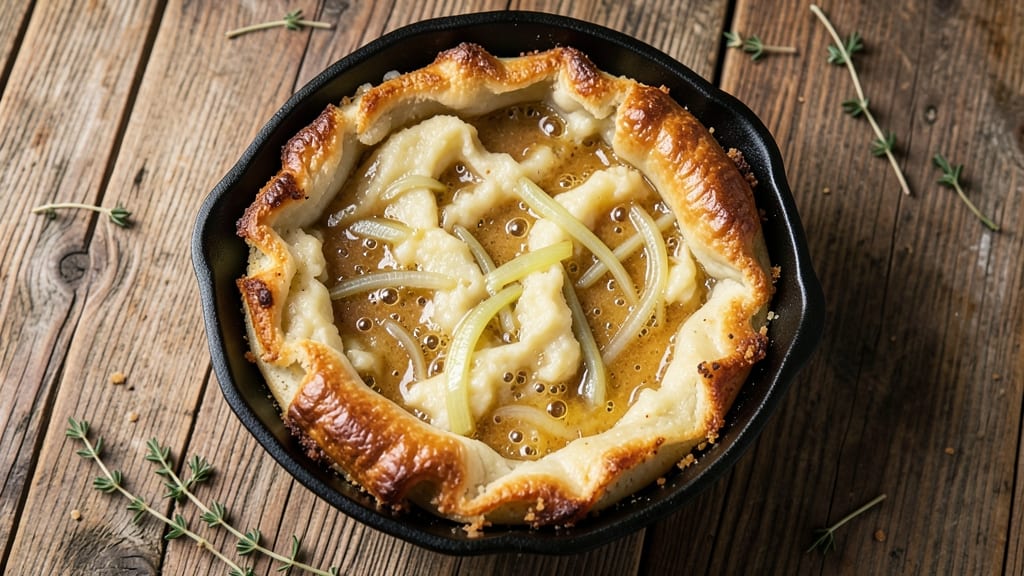
This old-fashioned leek and potato pie recipe delivers a comforting, savory masterpiece with a golden, caramelized top that tastes like a hug from your grandmother’s kitchen.
The secret lies in slow-cooked leeks and potatoes layered beneath a rustic pastry crust, creating a rich, velvety filling that’s both hearty and elegant—perfect for family dinners or holiday gatherings.
What makes this recipe stand out is the balance of simplicity and tradition. You’ll start with a homemade pastry (or use store-bought for convenience) and build a filling that caramelizes beautifully in the oven, developing deep, savory flavors.
The leeks add a subtle sweetness, while the potatoes create a creamy, satisfying base that holds together like a dream.
By the time it emerges from the oven, you’ll have a pie with a golden, crackly crust and a filling so tender it melts in your mouth.
The aroma alone will have everyone gathering around the table, and every bite delivers that perfect mix of savory, creamy, and slightly sweet notes. This is comfort food at its finest—warm, inviting, and impossible to resist.
Serve it with a crisp green salad or crusty bread to soak up every last drop of that rich, caramelized goodness. Whether you’re feeding a crowd or treating yourself to a cozy meal, this pie is a guaranteed crowd-pleaser. Let’s get baking!
Ingredients for old fashioned leek and potato pie
Simple ingredients that transform into a golden, comforting pie with layers of savory perfection.
| Ingredient | Amount | Notes |
|---|---|---|
| Russet Potatoes 🥔 | 3 lbs | Yukon gold or similar preferred |
| Leeks 🧅 | 4 whole | White and light green parts only |
| Unsalted Butter 🧈 | ¾ cup | Cold, cubed for pastry |
| All-Purpose Flour 🌾 | 3 cups | Plus 1 tbsp for dusting |
| Heavy Cream 🥛 | 1 ½ cups | Full-fat for richness |
| Whole Milk 🥛 | ½ cup | Warmed for best results |
| Shallots 🧅 | 2 whole | Minced or finely chopped |
| Garlic Cloves 🧄 | 4 cloves | Minced for filling |
| Salt 🧂 | 1 ½ tsp | Kosher or sea salt |
| Black Pepper 🌶️ | ½ tsp | Freshly ground preferred |
| Nutmeg 🌿 | ¼ tsp | Freshly grated |
| Ice Water 💧 | ½ cup | For pastry dough |
The leeks are the secret star here—look for firm, white parts with no brown spots. I grab mine from the produce section at Whole Foods or my local farmers market when they're in season (spring and fall). For the potatoes, russets or Yukon golds work best—they hold their shape while still getting tender. If you can't find fresh leeks, frozen ones (thawed and rinsed) will do in a pinch, but fresh is always better. The butter? Use European-style butter if you can—it has more fat and creates a flakier crust. Keep it cold when cutting into the flour for that perfect pastry texture.
No heavy cream? Whole milk plus 2 tbsp melted butter works in a bind, though it won't be quite as rich. The shallots can be swapped for onions if needed (use half the amount), but they add a sweeter depth. Fresh nutmeg makes all the difference—pre-ground loses flavor fast. If you don't have any, a pinch of cinnamon won't ruin it, but it won't be traditional either. For the potatoes, peeling or leaving skins on is up to you—I usually peel them for a cleaner look, but skins add fiber and texture. The key is to pat them completely dry before slicing so they don't steam in the oven.
This pie reheats beautifully—350°F for 15-20 minutes until the crust is golden again. Keeps well in the fridge for 4 days (covered tightly), and freezes for up to 3 months. I always make a double batch because it disappears fast. For leftovers, slice and warm in the oven to revive that golden crust. The filling thickens as it sits, so if it seems too runny when first made, let it rest 30 minutes before baking.
Why You'll Love This Recipe
- No Fuss, Big Payoff: I’ll admit, I was skeptical about leeks at first—until I realized how forgiving they are. Slice them thick, no need to peel every layer, and toss them in butter while you slice those potatoes. The whole filling comes together in one pot, no fancy techniques required.
- Creamy Crisp Magic: That buttery crust meeting the fluffy, cheesy potato-leek filling? It’s the kind of contrast that makes you pause mid-bite. The heavy cream keeps it rich but not heavy, and the flour crust stays crisp even when reheated. (Yes, even on a Tuesday night.)
- Leftovers That Beg for More: This pie tastes just as good the next day—if there is a next day. I’ve reheated slices straight from the fridge for lunch, and they’re still warm, comforting, and ridiculously good. Honestly, I’ve been known to make two pies just to have seconds the following morning.
- Budget-Friendly Crowd Pleaser: Russets and leeks are cheap staples, and this recipe stretches easily to feed four or six without breaking the bank. Between us, I’ve served this at potlucks, family dinners, and even a last-minute dinner party—no one ever asks what’s in it, they just ask for seconds.
Step-by-step instructions for old fashioned leek and potato pie
Here's how to create a rustic pie with a golden crust and tender filling—every layer matters.
Prepare the Potato-Leek Filling
Peel the 3 lbs russet potatoes and cut them into even ½-inch slices. You'll want about 60-70 slices total. Soak them in cold water for 10 minutes to remove excess starch, then drain thoroughly and pat dry with paper towels.
Next, clean the 4 whole leeks thoroughly, removing the dark green tops and any tough outer layers. Slice the white and light green parts into ¼-inch rounds. In a large skillet, melt ¼ cup of the unsalted butter over medium heat. Add the leeks and cook for 8-10 minutes until softened but not browned. Transfer to a bowl and set aside.
In the same skillet, add the 2 whole shallots and 4 cloves garlic cloves, mincing them directly in the pan. Cook for 2-3 minutes until fragrant but not colored. This aromatic base will infuse the filling with depth.
Assemble the Creamy Filling
In a large mixing bowl, combine the cooked leeks, shallots, and garlic with the potato slices. Add the 1.5 cups heavy cream, 0.5 cup whole milk, 1.5 tsp salt, 0.5 tsp black pepper, and 0.25 tsp nutmeg. Toss gently to coat all ingredients evenly. The filling should look moist but not soupy—if it appears too dry, add 1-2 tablespoons of the reserved potato soaking water.
Let the mixture sit for 10 minutes while you prepare the crust. This resting time allows the flavors to meld and the potatoes to begin absorbing the cream. You'll notice the filling becomes slightly thicker as the starch releases from the potatoes.
Make the Rustic Pastry Crust
In a food processor, combine the 3 cups all-purpose flour and 0.75 cup cold unsalted butter (cubed). Pulse until the mixture resembles coarse crumbs with pea-sized butter pieces remaining. Add 0.5 cup ice water, 1 teaspoon at a time, pulsing just until the dough comes together. Avoid over-processing or the crust will become tough.
Turn the dough onto a lightly floured surface and knead gently for 1-2 minutes until smooth. Divide into two equal portions. Roll one portion into a 12-inch circle for the base, and the second into a slightly smaller circle for the top. Keep both wrapped in plastic until ready to use.
Layer and Bake to Golden Perfection
Preheat your oven to 375°F. Line a 9-inch pie dish with the larger dough circle, pressing gently to adhere to the sides. Spoon the potato-leek filling into the crust, mounding it slightly in the center. Drape the second dough circle over the top, pressing the edges to seal completely. Use a fork to crimp the edges and create decorative slashes on top for steam to escape.
Bake for 50-55 minutes until the crust is deep golden brown and the filling is bubbling at the edges. If the top browns too quickly, tent loosely with foil after 30 minutes. The pie is done when the internal temperature reaches 190°F and the filling is set but still tender when tested with a knife.
Rest and Serve Warm
Remove the pie from the oven and let it rest for 15-20 minutes before slicing. This resting period allows the filling to set slightly and makes for cleaner slices. Serve warm with a simple green salad or crusty bread to soak up every last bit of creamy filling.
The result should be a pie with a flaky, golden crust and a rich, caramelized potato-leek filling that's tender yet holds its shape. Each bite delivers the perfect balance of savory leeks, creamy potatoes, and aromatic shallots—all wrapped in a buttery crust that's crisp on the outside and tender within.
Pro Tips For Making Old Fashioned Leek And Potato Pie
- PRE-COOK POTATOES: Boil them until a knife slides in like butter—no one likes gummy filling. Drain well, then spread them on a baking sheet to cool completely. Cold potatoes mix smoother and don’t turn to glue when you add the cream later.
- SWEAT LEEKS LOW: After slicing, cook them in butter over low heat for at least 15 minutes until fully translucent. High heat burns them fast, and you’ll taste that bitter edge in every bite. (Yes, even if you’re impatient like me.)
- SALT THE CREAM: Skip the salt in the butter if your heavy cream isn’t already seasoned—it’ll taste flat otherwise. A pinch of salt in the cream before mixing guarantees the whole pie carries flavor evenly. (Your future self will notice.)
- CHILL THE DOUGH: Roll out the crust cold, then refrigerate it for 15 minutes before baking. Warm dough shrinks, and you’ll end up with a sad, uneven pie. This isn’t the prettiest method, but it’s the tastiest.
Common mistakes when making great old fashioned leek and potato pie
Skipping the Soak
One of the biggest mistakes I see is skipping the 10-minute soak for the potato slices. This step removes excess starch, which prevents the filling from becoming gluey and helps the crust stay crisp. If you skip it, your pie might end up with a watery, unappetizing center.
I’ve learned the hard way—once, I forgot, and the filling was more like a sad potato pudding than a creamy masterpiece. 🥔
Overworking the Dough
When making the pastry, it’s easy to overwork the dough, especially if you’re using a food processor. Once the butter and flour come together, stop immediately—overmixing develops gluten, which leads to a tough, chewy crust instead of the flaky, tender texture you want.
I’ve ruined a crust or two by pulsing too long, and the result was disappointing. Work quickly and gently for that perfect crumbly texture. 🧈
Uneven Filling Distribution
If your filling isn’t distributed evenly in the crust, you’ll end up with some slices that are dry and others that are soupy. Mound the filling slightly in the center and press it down gently as you fill the crust to ensure even coverage.
I once had a pie where one side was thick and the other was thin—it looked uneven and tasted inconsistent. A little patience here makes all the difference. 🍽️
Skipping the Resting Time
Rushing the 10-minute rest for the filling before baking is another common mistake. This step allows the flavors to meld and the potatoes to absorb the cream properly. If you skip it, the filling might not hold together as well, and the pie could end up with a runny center.
I’ve found that even 5 extra minutes makes a noticeable difference in texture and flavor. ⏳
Overbaking the Crust
Watching the crust turn golden can be tempting, but overbaking it is a mistake. Once the crust reaches a deep golden color, it’s easy to let it bake too long, which can dry out the filling and make the crust tough.
I’ve had to pull pies out of the oven before they were fully browned to avoid this—sometimes, a little foil tenting helps. The goal is a crisp, golden crust with a tender filling, not a burnt top. 🌡️
Not Preheating the Oven
Preheating the oven is a step many overlook, but it’s crucial for achieving that perfect golden crust. A cold oven can lead to uneven baking, where the edges cook faster than the center, or the crust doesn’t rise properly.
Always preheat your oven to 375°F for at least 15 minutes before baking. I’ve learned that patience here pays off in the end. 🔥
Nutrition facts
Frequently asked questions
Can I make this pie without a food processor?
The pastry dough can absolutely be made by hand! Cut the cold butter into the flour using a pastry cutter or your fingers until it resembles coarse crumbs. Add ice water gradually until the dough just comes together. It'll take a bit more elbow grease, but you'll still get that perfect flaky texture.
How do I store leftovers?
Let the pie cool completely, then cover tightly with plastic wrap or aluminum foil. Store in the refrigerator for up to 4 days. To reheat, warm at 350°F for 15-20 minutes until the crust is golden again. For longer storage, freeze slices wrapped in plastic for up to 3 months. Thaw overnight in the fridge before reheating.
Can I substitute frozen leeks?
Yes, but thaw and rinse them thoroughly first to remove excess ice crystals. Drain well and pat completely dry before cooking, as any moisture will make your filling watery. Use the same cooking time as fresh leeks, but keep an eye on them—they may soften faster. For best results, use fresh leeks when possible.
Why did my crust turn out tough?
This usually happens from overworking the dough or using warm butter. Keep everything cold and pulse just until the mixture comes together in the food processor. If making by hand, work quickly and avoid kneading too much. Also ensure your butter is properly chilled before mixing. A tough crust often means the butter melted too early in the process.
Can I make this pie ahead of time?
Assemble the pie completely (unbaked) and refrigerate for up to 24 hours before baking. This actually enhances the flavors. For a make-ahead option, you can also bake the pie, cool completely, and refrigerate for 3 days. Reheat as directed for leftovers. The flavors develop beautifully overnight!