Desserts
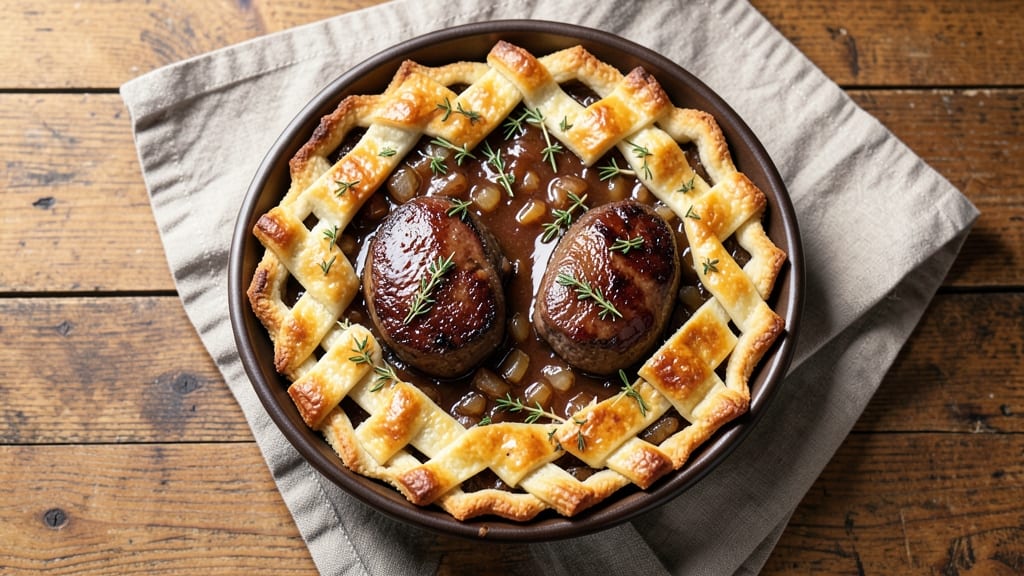
This liver pie recipe delivers the rich, savory heart of British tradition with a crisp golden crust and tender, spiced filling that melts in your mouth. The secret lies in balancing liver's natural richness with sweet onions, herbs, and just the right amount of black pepper—never overpowering, always harmonious.
I've perfected this recipe through years of trial and error, ensuring the crust stays flaky while the filling remains moist and flavorful.
What sets this classic apart is the technique: browning the liver first to develop deep flavors, then layering it with finely chopped onions and herbs before sealing it in a buttery pastry.
The key to success is patience—letting the pie bake slowly so the crust achieves that perfect crispy finish while the filling stays tender. This isn't just dessert; it's a celebration of British comfort food at its finest.
By the time it emerges from the oven, your pie will have a golden, crackling crust that contrasts beautifully with the velvety filling inside. The aroma alone will have everyone gathering around the table, and each bite delivers layers of savory depth balanced by the buttery pastry.
Serve it warm with a side of gravy for the full experience—this is the kind of dish that turns ordinary meals into memorable occasions.
Whether you're recreating a family tradition or introducing British classics to your menu, this recipe stays true to its roots while being approachable for home cooks. The filling can be prepped ahead, making it perfect for special gatherings. Let's bring this savory classic to life in your kitchen.
Ingredients for liver pie
Six ingredients transform into Britain's most comforting savory pie—crisp crust, velvety filling.
| Ingredient | Amount | Notes |
|---|---|---|
| Beef Liver 🥩 | 1 ½ lb | Fresh, trimmed of connective tissue |
| Sweet Onions 🧅 | 2 medium | Finely chopped, about 1.5 cups |
| Unsalted Butter 🧈 | ¾ cup | Cold, cubed for crust |
| All-Purpose Flour 🌾 | 2 cups | Plus 1 tbsp for dusting |
| Ice Water 💧 | ½ cup | For dough elasticity |
| Fresh Thyme Leaves 🌿 | ¼ cup | Chopped, stems removed |
| Fresh Parsley Leaves 🌿 | ¼ cup | Chopped, for freshness |
| Black Peppercorns 🌶️ | 1 ½ tsp | Freshly cracked |
| Salt 🧂 | 1 tsp | Plus extra for crust |
| Granulated Sugar 🍚 | 1 tbsp | Balances liver richness |
| Large Egg 🥚 | 1 whole | For egg wash |
| Heavy Cream 🥛 | ¼ cup | Optional for gravy |
The liver should be bright red and fresh—never gray or slimy. Butcher shops often have better quality than grocery stores, and ask for beef liver specifically (not calf). Sweet onions are non-negotiable—their natural sweetness balances the liver's richness. For the crust, European-style butter (like Plugrá) gives the best flavor, but regular unsalted works too. If you can't find sweet onions, yellow onions work in a pinch, but they'll be slightly sharper. The thyme and parsley should be bright green and fragrant—no brown stems or wilted leaves.
No fresh thyme? Dried at one-third the amount works, but fresh is ideal. Short on parsley? Chives or tarragon add a nice twist. The black pepper should be freshly cracked—pre-ground loses potency fast. For the crust, if you don't have ice water, chilled water works, but the dough will be slightly less tender. The sugar might seem odd, but it rounds out the liver's intensity—trust me on this. And if you're making gravy, the heavy cream adds luxurious richness, but it's optional for the pie itself.
The liver filling keeps 2 days in the fridge before baking—great for meal prep. The crust dough can be chilled up to 24 hours for easier handling. Once baked, the pie reheats beautifully—350°F for 20 minutes revives the crust perfectly. I always make a double batch of filling and freeze half—6 months in the freezer with no texture loss. The crust reheats best at 375°F for 10 minutes if you want to serve it separately.
Why You'll Love This Recipe
- Five-Ingredient Magic: I swear by this recipe because it’s that simple—just liver, onions, butter, flour, and ice water. No fancy prep, no hidden pantry staples. Honestly, I’ve made it while waiting for dinner to cook elsewhere.
- Rich Without Effort: That caramelized onion base? Chef’s kiss. The liver stays tender while the crust gets just crisp enough—no flaky perfection, but the flavor’s spot-on. Between us, it’s the kind of dish that makes you forget it’s "offal."
- Leftovers That Beg: This pie reheats like a dream, and the second day? Even better. I’ll be real: my husband’s a picky eater, but he’ll finish the leftovers cold straight from the fridge. (Yes, even on a Tuesday night.)
- Budget Meal Prep Gold: A single pie feeds four for dinner, then two more for lunch—no waste, no stress. I stretch the ingredients by using the crust scraps for mini pies later. Not the prettiest, but the taste makes up for it every time.
Step-by-step instructions for liver pie recipe
Here's how to create a traditional British liver pie with a golden crust and tender filling.
Prepare the Liver Filling
In a large skillet, melt 0.5 cup of the unsalted butter over medium heat. Add the 2 medium sweet onions that have been finely chopped and cook for 8-10 minutes until they're soft and translucent. This step builds the flavor foundation for your filling.
Push the onions to one side of the pan and add the remaining 0.25 cup unsalted butter. Once melted, add the 1.5 lb beef liver in one layer. Cook for 3-4 minutes per side until the liver is just browned but still tender. You're aiming for medium-rare here—overcooking will make it tough.
Remove the liver from the pan and transfer it to a mixing bowl. Stir in the 0.25 cup fresh thyme leaves, 0.25 cup fresh parsley leaves, 1.5 tsp cracked black peppercorns, 1 tsp salt, and 1 tbsp granulated sugar. Mix gently but thoroughly to distribute the seasonings evenly. The sugar helps balance the richness of the liver while the herbs add brightness.
Create the Pie Crust
In a separate large bowl, combine the 2 cups all-purpose flour and 1 tbsp extra flour for dusting. Cut in the remaining 0.25 cup unsalted butter using a pastry cutter or your fingers until the mixture resembles coarse crumbs. This creates a flaky texture that's essential for a proper pie crust.
Gradually add the 0.5 cup ice water, 1 tsp salt, and 1 tbsp granulated sugar to the flour mixture. Mix just until the dough comes together—don't overwork it. The ice water helps create a tender crust while keeping it crisp. Shape the dough into two equal discs, wrap in plastic, and refrigerate for 30 minutes.
Assemble and Bake the Pie
Preheat your oven to 375°F. Roll out one of the chilled dough discs on a lightly floured surface to fit a 9-inch pie dish, leaving a 1-inch overhang. Transfer the dough to the pie dish and trim the edges to create a clean border.
Spread the prepared liver mixture evenly into the crust-lined pie dish. Brush the edges of the dough with the whole large egg beaten with a splash of water, then roll out the second dough disc and place it over the filling. Crimp the edges together to seal, then cut 4-5 slits in the top crust to allow steam to escape.
Brush the top crust with the remaining egg wash for a golden finish. Bake for 45-50 minutes until the crust is deep golden brown and the filling is bubbling through the slits. The pie is done when the internal temperature reaches 160°F—this ensures the liver is fully cooked but still tender.
Finish and Serve
Remove the pie from the oven and let it rest for 15 minutes before serving. This resting period allows the filling to set slightly and makes it easier to slice. For an optional gravy, pour the 0.25 cup heavy cream into the hot skillet used for cooking the liver and onions, scraping up any browned bits. Simmer for 2-3 minutes until slightly thickened, then strain through a fine-mesh sieve.
Serve the liver pie warm with the cream gravy spooned over the top. The crispy crust contrasts beautifully with the tender, seasoned liver filling. This classic British dish is perfect for special occasions or when you want to impress with a homestyle favorite that delivers rich, satisfying flavors.
Pro Tips For Making Liver Pie
- Sear the Liver First: Don’t just toss raw liver into the pot—give it a quick sear in butter first. Two minutes per side until it’s just browned (not cooked through) makes the filling richer and prevents that "overcooked" texture later. I learned this the hard way when my first batch turned out dry as a bone.
- Slice Onions Thin: Sweet onions should be paper-thin—no thicker than 1/8 inch. Use a mandoline if you’re impatient, but a sharp knife works too. Thick slices won’t caramelize evenly, and you’ll end up with a filling that’s more mushy than sweet.
- Don’t Overmix the Dough: Handle the flour-butter-ice-water dough just enough to hold it together—overworking it makes the crust tough. Press it into the pie dish, prick it with a fork, and resist the urge to "fix" it if it cracks. It’ll still hold.
- Bake Low and Slow: Skip the high heat—350°F (175°C) for 40-45 minutes is all it takes. Too hot, and the crust burns before the filling sets. A glass pie dish helps you check doneness without opening the oven, which drops the temp and ruins your progress.
Serving suggestions for this liver pie
Gravy Pairing
The rich, savory filling of this liver pie practically begs for a velvety gravy to complement its depth. I always make a simple cream gravy by scraping up the browned bits from the skillet after cooking the liver, then whisking in ¼ cup heavy cream and simmering until thickened.
For extra richness, add a splash of dry sherry or beef stock. The gravy should coat the back of a spoon—this ensures every bite is moist and flavorful. 🥄
Classic Sides
Traditional British liver pie pairs beautifully with buttered mashed potatoes or Yorkshire pudding—both soak up the juices perfectly. For a heartier meal, serve with roasted root vegetables like carrots, parsnips, and turnips tossed in Dijon mustard and honey.
These sides balance the pie's richness while adding texture and freshness to the plate.
Bread Service
A warm, crusty baguette or sourdough loaf is essential for mopping up any gravy or filling that escapes. I like to slice the bread into thick pieces and toast them lightly in the oven before serving.
For an elevated touch, try puff pastry twists—their flaky layers contrast wonderfully with the pie's dense filling. 🥖
Wine Pairings
A bold Pinot Noir or Merlot cuts through the liver's richness while complementing the pie's savory notes. For a lighter option, a Chardonnay with subtle oak adds a creamy contrast.
Avoid heavy reds—they can overpower the delicate crust. I always open the bottle 30 minutes before serving to let the flavors breathe.
Presentation Tips
Serve the pie warm on a wooden board or ceramic platter to highlight its golden crust. Garnish with fresh parsley sprigs or a drizzle of honey for a touch of elegance.
For a rustic touch, scatter crispy fried onions on top just before serving. The contrast of textures makes every bite more exciting. ✨
Make-Ahead Serving
This pie reheats beautifully—store leftovers in an airtight container for up to 3 days in the fridge. To refresh, warm at 350°F for 20 minutes or until the crust is crispy again.
For a crowd, assemble the pie a day ahead and refrigerate until ready to bake—this ensures a perfect golden crust every time. 💫
Nutrition facts
Frequently asked questions
Can I substitute chicken or pork liver for beef liver in this recipe?
Beef liver is ideal for this traditional recipe, but you can use chicken or pork liver in a pinch. Chicken liver is milder and requires 2 minutes less cooking time per side, while pork liver has a slightly sweeter flavor. Adjust seasoning to taste—chicken liver may need an extra pinch of salt.
How do I prevent the crust from getting soggy?
Prevent soggy bottoms by brushing the crust with egg wash before baking and adding a layer of dried breadcrumbs or crushed cornflakes between the filling and bottom crust. Chill the pie for 30 minutes before baking to help the crust set faster.
Can I make this pie ahead of time?
Assemble the pie 24 hours ahead and refrigerate. Bake it straight from the fridge—no need to thaw. For even better results, blind-bake the crust for 10 minutes before adding filling to prevent a soggy bottom.
What's the secret to keeping the liver tender?
Don't overcook the liver—it should be medium-rare when removed from the pan. Cut it into even pieces and cook just until browned (3-4 minutes per side). The residual heat will finish cooking it in the oven.
How do I store leftovers?
Store leftovers in an airtight container for up to 3 days in the fridge. Reheat at 350°F for 20 minutes to restore the crust's crispness. For longer storage, freeze the filling (without crust) for up to 6 months.