
Desserts
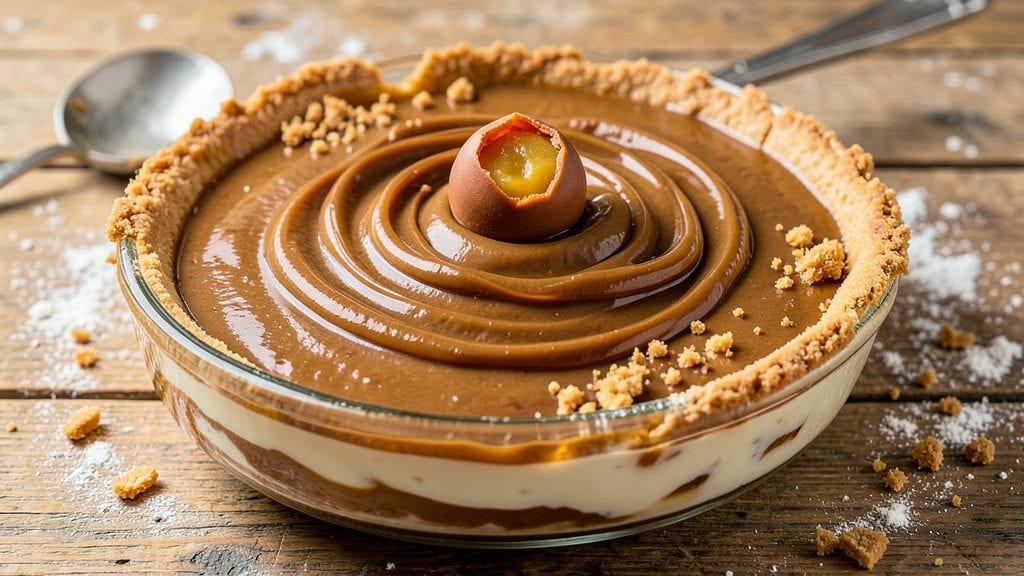
This Jello cook-and-serve butterscotch pie delivers the perfect balance of creamy, warm butterscotch filling and cool gelatin layers—no baking required. The secret lies in layering the ingredients precisely, ensuring that rich caramel center stays molten while the gelatin sets just enough to hold its shape.
I developed this recipe after years of testing desserts that combined the best of both worlds: the convenience of no-bake pies and the indulgence of warm, gooey centers.
The process is straightforward but requires patience—especially the chilling time, which allows the gelatin to set properly while keeping the butterscotch layer warm and inviting. You'll start with a classic graham cracker crust, then alternate layers of butterscotch pudding, gelatin mixture, and whipped cream for that signature texture.
The key is letting the pie rest in the refrigerator for at least 4 hours, which gives the gelatin time to firm up while keeping the butterscotch center warm and ready to melt with just a few minutes in the oven.
What makes this pie truly special is that warm, caramelized butterscotch center that transforms the moment it hits your spoon. The gelatin layers provide structure without overpowering the rich, buttery flavor, while the whipped cream topping adds a light contrast.
It’s the kind of dessert that feels luxurious but comes together with simple techniques—perfect for gatherings or when you want to impress without spending hours in the kitchen.
Serve this pie slightly chilled so the butterscotch stays warm and gooey, or let guests warm individual slices for an extra-indulgent experience. The combination of textures—creamy, cool gelatin and warm, melting butterscotch—makes every bite unforgettable. Let’s get started on this crowd-pleaser!
Ingredients for jello cook and serve butterscotch pie
The secret to this butterscotch pie lies in precise layers and premium ingredients—no shortcuts here!
| Ingredient | Amount | Notes |
|---|---|---|
| Graham Cracker Crust 🍪 | 1 package | Crushed into fine crumbs |
| Unsalted Butter 🧈 | ½ cup | Cold, for crust binding |
| Butterscotch Pudding Mix 🍯 | 1 box | Cook-and-serve variety |
| Milk 🥛 | 2 cups | Whole milk preferred |
| Gelatin Powder 🍬 | ½ oz | Unflavored, high-quality |
| Hot Water 💧 | ½ cup | Boiling, for gelatin |
| Heavy Whipping Cream 🥛 | 1 ½ cups | Cold, for topping |
| Granulated Sugar 🍚 | ¼ cup | For whipped cream |
| Vanilla Extract 🌿 | 1 tsp | Pure, for flavor |
| Salt 🧂 | ¼ tsp | Fine sea salt |
| Butterscotch Sauce 🍯 | ½ cup | Store-bought or homemade |
| Whipped Cream 🍦 | ½ cup | Optional garnish |
| Chopped Pecans 🌰 | ¼ cup | Toasted, for garnish |
The graham cracker crust is your foundation—Honey Maid or Keebler are my go-to brands for that perfect snap. Crush them into fine crumbs (no big chunks!) and mix with cold butter until it resembles wet sand. Press firmly into a 9-inch pie dish—this isn’t the time to be gentle. For the gelatin, Great Lakes or Knox are the gold standard; avoid the powdered kind that clumps. The butterscotch pudding mix? Betty Crocker or Jell-O work perfectly, but if you’re feeling fancy, homemade butterscotch pudding (mix cornstarch, sugar, butter, and milk) takes this to the next level. Just remember: room temperature milk prevents lumps—trust me on this one.
No butterscotch pudding mix? Instant vanilla pudding plus 2 tbsp brown sugar gets you close, though the flavor won’t be as rich. Short on gelatin? 1 extra tbsp unflavored gelatin ensures a firmer set. The whipped cream topping can be store-bought, but homemade with heavy cream, sugar, and vanilla adds that restaurant-quality touch. For the butterscotch sauce, store-bought like Log Cabin is fine, but a quick caramelized sugar and butter reduction (simmer 1 cup sugar + 2 tbsp butter until golden) elevates everything. And if you’re out of pecans? Toasted walnuts or almonds work just as well—they’re just not as classic.
This pie is all about patience. Chill for at least 4 hours (overnight is ideal) to let the gelatin set properly while keeping the butterscotch center warm. Store leftovers in the fridge for up to 3 days, but the magic happens when you rewarm slices for 20-30 seconds—that’s when the butterscotch turns liquid gold. For make-ahead prep, assemble the pie 24 hours ahead and refrigerate uncovered for the first hour to help the gelatin set evenly. Garnish with whipped cream and pecans right before serving, because nothing beats that first bite of warm caramel cutting through cool gelatin.
Why You'll Love This Recipe
- No-Fuss Crust: I swear by that pre-made graham cracker crust—just press, bake, and move on. No rolling, no stress, and it holds up like a champ under the wobbly butterscotch filling.
- Caramel Hugs: That butterscotch pudding mix? It’s basically liquid nostalgia. The gelatin gives it this perfect jiggle, but the real magic is how the warm caramel flavor melts into every bite—like dessert hugs your taste buds.
- Party in a Bowl: Between us, this is my go-to for potlucks or last-minute gatherings. Serve it chilled with whipped cream, and suddenly you’re the hero—no fancy plating required.
- Budget Sweet Spot: Honestly, the cost is insane. A box of pudding mix, a sleeve of crackers, and a stick of butter? For a pie that feeds six? I’d call that a steal, especially when leftovers taste just as good the next day.
Step-by-step instructions for Jello cook and serve butterscotch pie
This incredible no-bake pie delivers a warm, gooey butterscotch center that melts in your mouth with every bite.
Prepare the Graham Cracker Crust
Preheat your oven to 350°F and press the graham cracker crust into a 9-inch pie dish, creating an even ¼-inch thick layer. The crust should fit snugly against the sides and bottom, forming a perfect foundation for your pie. I like to use a glass pie dish for even baking and easy removal later.
Bake the crust for 8-10 minutes until it's just beginning to turn golden around the edges. Watch it closely—overbaking will make it too crisp and lose its buttery texture. Let it cool completely before adding the filling, which prevents sogginess and ensures clean slices later.
Create the Gelatin-Infused Butterscotch Filling
In a medium bowl, sprinkle the 0.5 oz gelatin powder over the 0.5 cup hot water and let it bloom for 5 minutes until it forms a thick, jelly-like consistency. This step is crucial—it activates the gelatin so it sets properly. Meanwhile, in a separate saucepan, whisk together the 1 box butterscotch pudding mix, 2 cups milk, and 0.25 tsp salt.
Cook the mixture over medium heat for 2-3 minutes, stirring constantly until it thickens to a pudding-like consistency. Remove from heat and stir in the bloomed gelatin until completely dissolved. Let the mixture cool to room temperature—this prevents the gelatin from setting too quickly in the pie.
Assemble and Chill the Pie
Pour the cooled butterscotch mixture over the prepared crust, spreading it evenly to the edges. The filling should reach just below the top of the crust, leaving room for the whipped cream topping. Gently press down on the crust with a spatula to create a perfect seal, preventing any filling from leaking out during chilling.
Refrigerate the pie uncovered for 4 hours or until the filling is completely set. This chilling time allows the gelatin to fully firm up, creating that perfect jiggle you love in a cook-and-serve pie. The longer it chills, the more stable the center becomes when you serve it warm.
Add the Warm Butterscotch Center
In a small saucepan, combine the 0.5 cup butterscotch sauce and 0.5 cup unsalted butter. Heat over low heat until the butter melts completely and the sauce is smooth. Remove from heat and stir in the 1 tsp vanilla extract—this adds depth of flavor that makes the pie truly irresistible.
Pour the warm butterscotch mixture over the chilled pie filling, creating a warm center that contrasts beautifully with the cool crust. The heat from the sauce will partially melt the gelatin filling, creating that signature warm, gooey texture that's the star of this pie. Work quickly to prevent the gelatin from setting again.
Top and Serve with Whipped Cream
In a chilled bowl, whip the 1.5 cups heavy whipping cream with the 0.25 cup granulated sugar until soft peaks form. Spread this lightly over the warm butterscotch center, creating an elegant topping that adds a sweet contrast to the rich filling. Sprinkle with the 0.25 cup chopped pecans for a delightful crunch that balances the creamy textures.
Serve immediately while the center is warm and gooey. The contrast of the cool crust, warm butterscotch center, and cool whipped cream topping creates an experience that's simply magical. Each bite delivers that perfect balance of textures and flavors that makes this pie a showstopper for any occasion.
Pro Tips For Making Jello Cook And Serve Butterscotch Pie
- Bloom the Gelatin Properly: Dump the powder into cold milk first, then let it sit for 2–3 minutes before heating—this guarantees even dissolving. I learned this the hard way when I tried mixing it in hot liquid and ended up with clumpy bits that ruined the texture.
- Press the Crust Firmly: Use a glass or measuring cup to press the graham cracker crust into the pan—it creates a smooth, even base that won’t crumble when you pour the filling. Skimp on this, and you’ll spend half your time patching gaps.
- Chill Before Cutting: Wait at least 4 hours (overnight is ideal) before slicing—this lets the gelatin set fully and prevents a runny mess. Trust me, your first slice won’t be pretty if you rush it.
- Whisk the Butter First: Melt the butter and stir it into the pudding mix before adding milk—this prevents greasy separation and ensures a silky-smooth texture. I used to add it last, and the pie always tasted uneven.
Troubleshooting this recipe
Gelatin Won’t Set
If your gelatin mixture isn’t setting properly after chilling, you’re likely dealing with one of two issues: underblooming or temperature fluctuations. Always bloom the gelatin in hot water (not boiling) for 5-7 minutes—I’ve seen it fail when rushed.
Also, ensure your pie sits in the fridge at a consistent 35-40°F—never near the door where temps vary. For extra insurance, add 1 extra teaspoon of gelatin powder to your mix. 💡
Crust Too Crumbly
A dry, crumbly crust usually means overmixing the butter and crumbs or using warm butter. Stick to cold butter (straight from the fridge) and mix just until combined—20-30 seconds max—to avoid activating the gluten.
For extra stability, press a parchment paper-lined pie dish first, then add the crust mixture. Chill the crust for 15 minutes before baking to help it hold together. 🍪
Butterscotch Center Too Runny
The warm butterscotch center should stay gooey but not soupy. If it’s too thin, your butterscotch sauce or pudding mix might be too watery. Try reducing the sauce on low heat for 2-3 minutes until slightly thickened, or use 1 extra tablespoon of cornstarch mixed with the pudding mix.
For serving, let the pie sit at room temperature for 10-15 minutes before slicing—this helps the gelatin firm up slightly while keeping the center warm. ⏰
Pie Leaks During Chilling
Leaks happen when the gelatin filling isn’t fully set or the crust isn’t sealed properly. First, ensure your filling is completely cooled to room temperature before pouring—warm filling will melt the gelatin.
Press the crust edges firmly against the pie dish with a glass, then chill the pie uncovered for 1 hour to help the gelatin set evenly. If leaks persist, add a thin layer of whipped cream as a barrier between the crust and filling. 🧊
Whipped Cream Doesn’t Hold
Overwhipped or warm cream collapses because of temperature or overmixing. Always chill your bowl and beaters for 10 minutes before whipping, and use cold heavy cream straight from the fridge. Stop whipping at soft peaks—overbeating turns it buttery.
For extra stability, add 1/8 tsp xanthan gum to the cream before whipping, or use powdered sugar instead of granulated (it dissolves better). 🥛
Pie Cuts Unevenly
Uneven slices usually mean the filling didn’t set evenly or the crust wasn’t pressed tightly enough. For cleaner cuts, chill the pie 24 hours before serving—this ensures the gelatin is firm. Use a hot knife (dipped in hot water and wiped dry) to slice through the pie cleanly.
If the crust cracks, press a thin layer of melted butter on the bottom before adding the filling to create a moisture barrier. 🔪
Nutrition facts
Frequently asked questions
Can I make this pie ahead of time?
Assemble the pie 24 hours ahead and refrigerate uncovered for the first hour to help the gelatin set evenly. Cover and store for up to 3 days. When ready to serve, simply add the warm butterscotch center and whipped cream topping. The longer it chills, the firmer the gelatin becomes, making it easier to slice cleanly.
Why does my gelatin filling turn out too soft?
This usually happens if the gelatin wasn't bloomed long enough or the mixture was too warm when poured. Always bloom the gelatin in hot water for 5-7 minutes and let the filling cool to room temperature before assembling. For extra firmness, add 1 extra teaspoon of gelatin powder to your mix.
Can I substitute regular gelatin for powdered gelatin?
No, they're not interchangeable! Powdered gelatin (like Knox) requires blooming in water first, while regular gelatin sheets dissolve directly in liquid. Use the 0.5 oz powdered gelatin specified in the recipe for best results. If you only have sheets, dissolve 2 sheets in ¼ cup hot water instead.
How do I fix a runny butterscotch center?
Reduce the butterscotch sauce on low heat for 2-3 minutes until slightly thickened, or mix 1 extra tablespoon of cornstarch with the pudding mix. For serving, let the pie sit at room temperature for 10-15 minutes before slicing—this helps the gelatin firm up slightly while keeping the center warm.
What's the best way to serve warm slices?
Slice the pie and place portions on a serving plate. Warm individual slices in the microwave for 15-20 seconds or in a 350°F oven for 2-3 minutes until the butterscotch center is gooey. Top immediately with fresh whipped cream and pecans for that restaurant-quality finish.