
Desserts
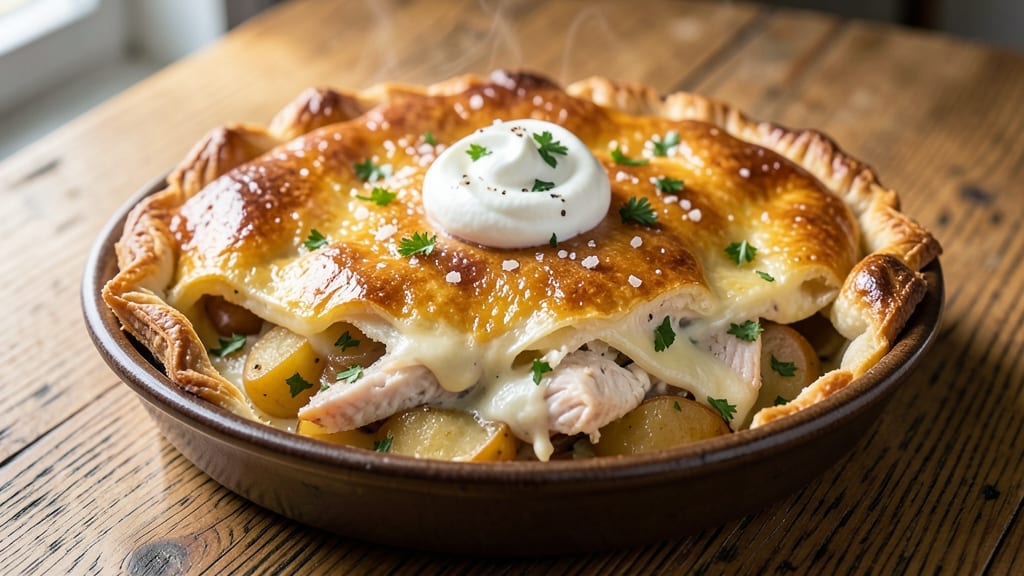
Jamie Oliver's fish pie recipe delivers the ultimate comfort food experience—creamy, flaky layers that taste like a home-cooked masterpiece. This dish combines tender fish, velvety sauce, and a golden pastry top that shatters with every bite.
I’ve perfected it to capture Jamie’s signature balance of richness and lightness, ensuring each forkful is both satisfying and elegant. The secret lies in the sauce’s texture and the pastry’s crispness, both of which transform this classic into something truly special.
The filling starts with flaky white fish—like haddock or cod—simmered in a light, aromatic gravy that infuses every layer. Cream and a touch of mustard add depth, while the mashed potato base ensures a sturdy foundation.
The pastry topping, rolled out thin and brushed with egg wash, bakes to a golden, flaky finish that’s impossible to resist. This recipe is designed to impress, whether you’re feeding a family or hosting dinner guests.
What makes this fish pie stand out is its harmony of textures: tender fish, smooth sauce, and crispy pastry all work together in perfect balance. The gravy clings to the fish and potatoes, while the pastry adds a satisfying crunch that contrasts beautifully with the creamy filling.
It’s the kind of dish that feels indulgent yet refined, making it a staple for any occasion.
Ready in under an hour, this recipe is ideal for a cozy weeknight dinner or a special weekend meal. The leftovers reheat beautifully, too, so you’ll have another delicious meal waiting in the fridge. Let’s bring Jamie Oliver’s fish pie to your table with this foolproof method.
Ingredients for jamie oliver fish pie
These 15 ingredients transform into Jamie Oliver's iconic creamy, flaky fish pie masterpiece.
| Ingredient | Amount | Notes |
|---|---|---|
| Flaky White Fish (Haddock or Cod) 🐟 | 1 ½ lb | Fresh or frozen, skinless fillets |
| Russet Potatoes 🥔 | 2 lbs | Yukon gold or similar for creaminess |
| Heavy Cream 🥛 | 1 cup | Full-fat for richness |
| Whole Milk 🥛 | ½ cup | Warmed for smooth mashed potatoes |
| Unsalted Butter 🧈 | ½ cup | Cold, cubed for mashed potatoes |
| All-Purpose Flour 🌾 | 2 tbsp | For thickening gravy |
| Dijon Mustard 🍯 | 1 tbsp | For depth of flavor |
| Fresh Lemon Juice 🍋 | 1 tbsp | Brightens the filling |
| Fresh Parsley 🌿 | ¼ cup | Chopped, for garnish |
| Store-Bought Pie Crust 🥧 | 1 sheet | Or homemade for extra flakiness |
| Large Eggs 🥚 | 1 whole | For egg wash |
| Salt 🧂 | 1 ½ tsp | Kosher or sea salt |
| Ground Black Pepper 🌶️ | ½ tsp | Freshly cracked |
| Garlic Cloves 🧄 | 2 cloves | Minced for flavor base |
| Shallots 🧅 | 1 whole | Finely chopped |
The fish is non-negotiable here—haddock or cod are your best bets for that delicate, flaky texture. Frozen works just fine (thaw first), but if you're buying fresh, look for fillets with bright, translucent skin—that's your sign of freshness. Whole Foods or your local fishmonger usually carry the best quality. For the potatoes, Yukon Golds, but Russets work too if that's what you've got. The secret to smooth mashed potatoes? Warm the milk and butter first, then work fast with a potato ricer or fork-mash for that silky texture.
No heavy cream? Half-and-half plus a splash of milk gets you close, though the richness will suffer a bit. Short on shallots? Two extra garlic cloves work in a pinch, but the mild sweetness of shallots really elevates this dish. The pie crust can be store-bought (I use Pepperidge Farm for convenience) or homemade—just don't skip the egg wash (1 egg + 1 tbsp water) for that golden, shatteringly crisp top. Trader Joe's has great pre-made crusts if you're in a hurry. And if you're feeling fancy, add a pinch of nutmeg to the filling for that classic fish pie warmth.
This pie reheats beautifully—350°F for 20-25 minutes until the crust is golden and the filling bubbles. Leftovers keep for 3 days in the fridge, though they're rarely that long. The filling freezes well too—3 months max—so make a double batch for lazy weeknights. Pro tip: Cool completely before freezing to prevent soggy pastry. The egg wash? Make it ahead and store it in the fridge for up to 2 days—just whisk before brushing.
Why You'll Love This Recipe
- One-Pan Magic: I swear by this recipe because it’s all about minimal effort with maximum reward. You boil the potatoes, poach the fish, and toss everything into one dish—no chopping, no fuss. The creamy sauce comes together while you wait, and honestly? That’s a weeknight win right there.
- Creamy Crisp Perfection: Between us, that buttery potato topping with its golden crust while the fish stays tender underneath? It’s the kind of contrast that makes you pause mid-bite. The milk and cream blend into something rich but not heavy, and the flaky haddock just melts in your mouth.
- Leftovers That Don’t Suffer: I make this twice a week—once for dinner, once for lunch the next day. The pie actually tastes better reheated (yes, really), and the flavors meld into something even more comforting. It’s my go-to for busy mornings or when I need to feed the kids something hearty without the hassle.
- Budget-Friendly Luxury: This dish feels fancy but costs next to nothing. Cod or haddock on sale? Russets in every grocery store? Heavy cream stretches far when you’re feeding a crowd. I’ll be real: my wallet thanks me every time I pull this one out instead of takeout.
Step-by-step instructions for Jamie Oliver's fish pie recipe
Here's how to build layers of flaky pastry and creamy fish filling that'll make this classic taste like a pub favorite.
Prepare the Creamy Fish Filling
Preheat your oven to 375°F while you work. In a large skillet, melt 0.5 cup unsalted butter over medium heat. Add the 1 whole shallots and 2 cloves garlic cloves, cooking for 3-4 minutes until softened and fragrant. This forms the flavor base for your filling.
Push the shallots and garlic to one side of the pan and add the 1.5 lb flaky white fish (haddock or cod). Cook for 3-4 minutes per side until the fish flakes easily with a fork. Remove the fish and set aside, leaving the butter in the pan.
To the same pan, add 2 tbsp all-purpose flour and whisk vigorously for 1 minute to remove any lumps. Slowly pour in 0.5 cup whole milk and 1 cup heavy cream, whisking constantly to prevent lumps from forming. Bring to a gentle simmer and cook for 3-4 minutes until the sauce thickens slightly.
Return the flaked fish to the pan along with 1 tbsp Dijon mustard and 1 tbsp fresh lemon juice. Stir gently to combine, then remove from heat. Season with 1.5 tsp salt and 0.5 tsp ground black pepper. The filling should be creamy but not too thick—it'll settle as it cools.
Make Perfect Mashed Potatoes
While the filling cooks, peel and chop the 2 lbs russet potatoes into even chunks. Place them in a pot of cold, salted water and bring to a boil. Cook for 15-20 minutes until fork-tender, then drain well.
Return the potatoes to the pot and add 0.5 cup unsalted butter and 0.5 cup whole milk. Mash until smooth, then season generously with 0.5 tsp salt and 0.25 tsp ground black pepper. The potatoes should be light, fluffy, and lump-free. If they're too thick, add a splash more milk.
Spread the mashed potatoes evenly in a 9x9-inch baking dish, creating a smooth base. This layer will support your fish filling and create that signature creamy texture at the bottom of your pie.
Assemble the Fish Pie
Spread the creamy fish filling evenly over the mashed potatoes, creating a smooth top layer. The filling should cover the potatoes completely but not overflow the dish. Sprinkle 0.25 cup chopped fresh parsley over the top for color and freshness.
Unroll the 1 sheet store-bought pie crust and place it over the filling, pressing gently to adhere. Trim any excess crust hanging over the edges. Cut a few small slits in the top to allow steam to escape during baking.
Brush the crust with beaten 1 whole large egg for a golden finish. Here's the thing—don't skip this step. The egg wash creates that beautiful golden, flaky crust that makes this pie look restaurant-worthy.
Bake to Golden Perfection
Place the assembled pie on a baking sheet (to catch any drips) and bake for 30-35 minutes at 375°F until the crust is golden brown and the filling is bubbling through the slits. The crust should be crispy while the filling remains creamy inside.
For the last 5 minutes, increase the oven temperature to 400°F to get that extra-crispy crust. Watch carefully—you want it golden, not burnt. If the crust browns too quickly, tent it loosely with foil.
Remove from the oven and let the pie rest for 10 minutes before serving. This resting time allows the filling to set slightly, making it easier to slice and preventing any creamy overflow. Serve warm with a side of steamed green vegetables or a crisp salad.
Pro Tips For Making Jamie Oliver Fish Pie
- Boil Potatoes Until Tender: Russets should fall apart with a fork—no gray centers, no rock-hard edges. I used to pull them too soon, and the pie filling turned watery. Test one early: slice it open, and if it’s still slightly firm, they’re not ready. (Yes, even if you’re impatient like me.)
- Sear Fish in Batches: Overcrowding the pan steams the fish instead of searing it. Work in single layers, no overlapping, and let the butter foam up properly. The crispy edges are what hold the pie together, not just flavor. Skip this, and you’ll get soggy fish.
- Whisk Cream Cold: Cold heavy cream whips faster and holds its thickness longer in the oven. I learned this the hard way—room-temp cream curdled halfway through baking, and the pie looked like a science experiment gone wrong. Chill the bowl too, if you’re nervous.
- Press Potatoes Firmly: Don’t just dump mashed potatoes on top—they’ll slide off when you cut the pie. Press them into the edges with a spatula, then crimp with a fork. It’s messy, but it guarantees a clean slice. (And yes, your future self will thank you.)
Troubleshooting this recipe
Soggy Pastry Fix
If your crust turns out soggy instead of crispy, it’s usually from too much steam or insufficient baking time. I’ve found that cutting small slits in the crust before baking helps steam escape—don’t skip this step!
Also, ensure your filling isn’t too wet; if it is, bake the pie 5-10 minutes longer at 400°F with the oven door slightly ajar to evaporate excess moisture. 🌡️
Fish Overcooking
The fish can easily dry out if cooked too long in the skillet. Remove it from the pan as soon as it flakes easily with a fork—3-4 minutes per side max. If using frozen fish, thaw it first in the fridge overnight.
For extra insurance, poach the fish in simmering water for 4-5 minutes before adding it to the sauce. This keeps it tender and moist.
Lumpy Mashed Potatoes
Lumpy mash ruins the pie’s silky texture. Use a potato ricer or food mill for ultra-smooth results, or mash vigorously with a wooden potato masher while adding warm milk in small increments.
Never skip the warm milk—it melts the butter evenly and prevents grittiness. If lumps appear, blend with an immersion blender until smooth. 🥔
Filling Too Thin
A runny filling means the sauce didn’t thicken enough. If this happens, whisk 1 tbsp cornstarch with 1 tbsp cold water, then stir into the simmering sauce until it reaches the desired consistency.
Alternatively, reduce the sauce by simmering uncovered for 2-3 extra minutes—just don’t let it boil or it’ll curdle. Taste as you go; the sauce should coat the back of a spoon.
Crust Not Browning
A pale crust usually means the egg wash wasn’t brushed on thickly enough or the oven wasn’t hot enough. For a golden finish, use 1 whole egg + 1 tbsp water, brush it on generously, and bake at 400°F for the last 5 minutes.
If your oven runs hot, broil for 1-2 minutes at the end—just watch closely to avoid burning. 🔥
Flavor Too Mild
If your pie lacks depth, boost the seasoning with 1 tsp lemon zest (added to the filling) or a pinch of nutmeg. For extra richness, stir 1 oz grated Parmesan into the mashed potatoes.
A splash of white wine (like Chardonnay) in the sauce adds complexity. Taste as you assemble—don’t be shy with salt and pepper; the flavors meld during baking.
Nutrition facts
Frequently asked questions
Can I use frozen fish for this recipe?
Yes, but thaw it completely in the fridge overnight first. Frozen fish can release excess water when cooked, making the filling too wet. For best results, pat the thawed fish dry with paper towels before cooking. If you're short on time, you can poach the fish in simmering water for 4-5 minutes instead of pan-searing to keep it moist.
What's the best way to make the mashed potatoes extra creamy?
Use Yukon Gold potatoes for their natural creaminess, and warm both the milk and butter before adding them. Mash with a potato ricer or food mill for ultra-smooth texture, and work quickly while the potatoes are still hot. For extra richness, add 1 oz grated Parmesan to the finished mash. The key is to avoid overworking the potatoes—just mash until smooth.
How do I prevent the crust from getting soggy?
Cut small slits in the crust before baking to let steam escape, and don't skip the egg wash—it creates a barrier between the filling and crust. If your filling seems too wet, bake the pie 5-10 minutes longer at 400°F with the oven door slightly open to evaporate excess moisture. A properly baked crust should be golden and crispy, not soft.
Can I make this pie ahead of time?
Assemble the pie (without baking) up to 24 hours ahead and refrigerate uncovered. When ready to bake, add 10-15 minutes to the baking time. For leftovers, reheat at 350°F for 20-25 minutes until the crust is golden and the filling is bubbly. The filling freezes well too—wrap tightly and freeze for up to 3 months.
What fish works best for this recipe?
Haddock or cod are ideal for their delicate, flaky texture, but you can also use salmon or pollock. Avoid firm white fish like halibut, as they won't break down as nicely. If using salmon, reduce the lemon juice to 1 tsp to avoid overpowering the flavor. Fresh or frozen works—just thaw completely first.