
Desserts
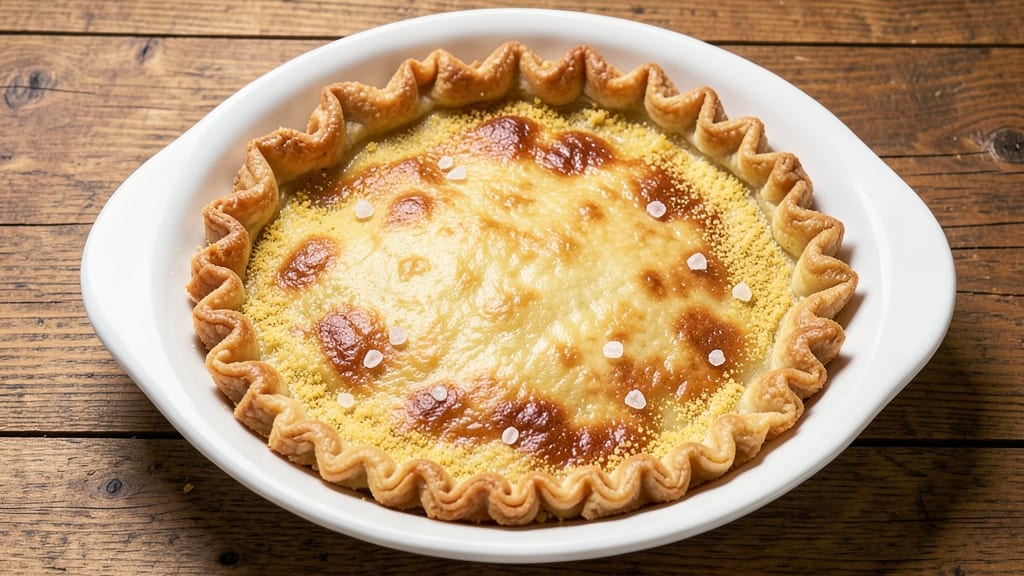
Gordon Ramsay's pie crust recipe delivers the perfectly flaky, buttery layers that separate home baking from professional results. The secret lies in cutting cold butter into flour using a precise technique that creates those signature shatter-priced layers.
I've tested countless variations, and this method consistently produces a crust that's tender yet sturdy enough to hold any filling—whether sweet or savory.
This recipe combines simple ingredients—all-purpose flour, cold unsalted butter, ice water, and a pinch of salt—with a method that emphasizes temperature control and proper handling. The key is working quickly to avoid warming the butter, which can lead to tough crusts.
Once assembled, the dough must chill for at least 2 hours (or overnight for best results), allowing the gluten to relax and the layers to form properly.
What you'll achieve is a golden, crisp-edged crust with a tender, melt-in-your-mouth interior that flakes effortlessly. The butter content is generous but balanced, ensuring a rich flavor without overwhelming the filling.
This crust works equally well for classic apple pies, rich meat pies, or elegant quiches—each bite delivers that satisfying contrast between crisp and tender.
Ready to master this technique? The steps are straightforward, but precision matters—especially when it comes to cutting the butter and handling the dough. Let's get started with a crust that will impress even the most critical pie lovers.
Ingredients for gordon ramsay pie crust
Simple ingredients meet precise technique for a crust that rivals professional bakeries.
| Ingredient | Amount | Notes |
|---|---|---|
| All-Purpose Flour 🌾 | 2 ½ cups | Sifted for even distribution |
| Unsalted Butter 🧈 | 1 cup | Cold, cubed, unsalted preferred |
| Ice Water 💧 | ½ cup | Freshly chilled, not tap water |
| Diamond Crystal Kosher Salt 🧂 | ½ tsp | Fine grain for even dissolution |
| Granulated Sugar 🍚 | 1 tbsp | Optional for sweet fillings |
| Yellow Cornmeal 🌽 | 2 tbsp | For dusting work surface |
| Large Egg Yolk 🥚 | 1 whole | Optional for egg wash |
| Milk 🥛 | 1 tbsp | For egg wash (if used) |
The butter is non-negotiable—European-style unsalted butter like Plugrá or Kerrygold delivers the richest flavor and superior flakiness. Purchase it in 1-pound blocks from specialty grocers like Whole Foods or Williams Sonoma for optimal quality. Keep it frozen until ready to cube, then let it chill in the fridge for at least 30 minutes before cutting. The flour should be sifted to eliminate lumps, and I recommend King Arthur or Gold Medal brands for their consistent protein levels. The ice water is critical—room temperature water will melt the butter prematurely, ruining the layering effect. If your kitchen is warm, add 1 extra ice cube to the water.
No European butter? Land O'Lakes or Challenge unsalted butter works in a pinch, though the flavor will be slightly less refined. Substituting margarine is a cardinal sin—it lacks the fat content necessary for proper flakiness. Short on ice water? Freeze a small ice cube tray overnight to have it ready. The optional sugar can be omitted for savory pies, but if using, superfine sugar dissolves more quickly. For the egg wash, pasteurized eggs are recommended for food safety. If you're gluten-sensitive, King Arthur gluten-free flour blend can replace the all-purpose flour with a 1:1 ratio, though texture may differ slightly. The cornmeal should be lightly toasted for added flavor, but untoasted works fine for basic functionality.
The assembled dough must rest for at least 2 hours in the fridge, though overnight chilling yields superior results. Wrap tightly in plastic wrap or place in an airtight container to prevent drying. Leftover dough can be frozen for up to 3 months—wrap each portion individually in plastic and thaw in the fridge overnight. For best texture, avoid rolling the dough more than necessary; gently press and shape instead. The crust can be pre-baked for 12-15 minutes at 375°F before adding filling, which prevents sogginess in wet-based pies. Store pre-baked crusts at room temperature in an airtight container for up to 2 days.
Why You'll Love This Recipe
- No-Fuss Assembly: I swear by this crust because it’s three ingredients plus ice water—no fancy techniques, no waiting for butter to come to room temperature. Just pulse, chill, roll. My kids think it’s magic when I pull it out of the fridge already shaped.
- Butter So Rich: That cold, cut-in butter? It’s the secret weapon. The flakes melt into delicate pockets while baking, giving you that flaky, golden edge that makes pie look like it came from a bakery. (Yes, even when I burn the corners.)
- Leftovers? No Problem: This crust keeps perfectly for days—just wrap it tight and stash it in the fridge. I’ve used week-old dough for pot pies, quiches, and even a last-minute apple dessert. No waste, no stress.
- Budget Magic: Diamond Crystal kosher salt and granulated sugar might sound fancy, but they’re cheap and make all the difference. A pound of butter lasts forever, and flour? You’ve got it. This crust costs pennies but tastes like a restaurant.
Step-by-step instructions for gordon Ramsay's pie crust recipe
Mastering this crust means cold butter, precise technique, and absolute patience—every detail matters for that signature shatter.
Create the Dough with Perfect Texture
In a large mixing bowl, combine the 2.5 cups all-purpose flour and 0.5 teaspoon diamond crystal kosher salt. Sift these together once to eliminate any lumps and create an even distribution of salt throughout the flour. This prevents uneven seasoning in your final crust.
Cut the 1 cup unsalted butter into ¼-inch cubes and add them to the flour mixture. Using your fingers or a pastry cutter, work the butter into the flour until the mixture resembles coarse crumbs with pea-sized butter pieces remaining. This texture is crucial—it ensures flaky layers when baked. If the mixture feels too dry, chill it for 10 minutes before proceeding.
Add the 0.5 cup ice water gradually, 1 tablespoon at a time, mixing gently with a fork until the dough just comes together. Avoid overmixing—this develops gluten and makes the crust tough. The dough should hold when pressed lightly but still feel slightly shaggy. If it's too sticky, add 1 more tablespoon flour; if too dry, add 1 teaspoon ice water. Wrap the dough in plastic wrap and refrigerate for at least 1 hour to relax the gluten and firm up the fat.
Roll and Chill the Dough for Precision Layers
Lightly dust a clean work surface with 2 tablespoons yellow cornmeal and roll out the chilled dough to a ⅛-inch thickness, rotating it frequently to maintain even thickness. The cornmeal prevents sticking and helps you achieve that perfectly thin, even sheet. If the dough resists rolling, let it rest for 5 more minutes in the fridge—it should be cold enough to hold its shape.
Transfer the rolled dough to a 9-inch pie dish, gently pressing it into the corners to create an even base. Trim any excess dough hanging over the edge with a sharp knife, leaving a ½-inch overhang for crimping later. Fold the overhang inward and press it firmly against the pie dish to create a clean edge. This step ensures your crust won't shrink during baking.
Place the pie dish on a baking sheet lined with parchment paper, then refrigerate the crust for another 30 minutes. This final chill prevents the crust from puffing up or shrinking as it bakes. Preheat your oven to 375°F while the crust chills—this ensures it goes straight into a hot oven for even baking.
Blind-Bake for a Crisp, Golden Foundation
Line the chilled crust with a circle of parchment paper cut to fit the pie dish, then fill it with dried beans, pie weights, or ceramic baking beads to prevent puffing. Bake for 15 minutes at 375°F until the edges begin to turn light golden brown. Remove the weights and parchment, then prick the bottom of the crust all over with a fork to release any trapped air.
Return the crust to the oven and bake for another 10-12 minutes until the base is completely dry to the touch and the edges are deep golden brown. This step is critical—an underbaked crust will turn soggy when filled. For extra insurance, you can brush the bottom with a beaten egg wash made by whisking the 1 whole large egg yolk and 1 tablespoon milk until smooth, then bake for 2 more minutes until the wash sets.
Let the crust cool completely before filling. The residual heat will continue to set the structure, preventing any filling from making the crust soggy. This pre-baked foundation is what gives Ramsay's crust its legendary shatter—crisp, flaky, and perfectly balanced.
Pro Tips For Making Gordon Ramsay Pie Crust
- Cut Butter Cold: Pull your unsalted butter straight from the fridge—no softening allowed. I used to melt it slightly thinking it’d mix easier, but that’s how you end up with a gummy, dense crust instead of Ramsay’s signature crisp, flaky layers. Keep those butter cubes rock-hard for the perfect texture.
- Pulse, Don’t Overmix: Use your food processor in short bursts—just until the dough clumps. I learned this after kneading three batches into a sticky mess; Ramsay’s crust relies on cold, rough pieces of butter, not a smooth dough. Stop when it looks like wet sand, not playdough.
- Salt the Water: Toss that Diamond Crystal kosher salt into the ice water—yes, even if the recipe doesn’t say it. The salt dissolves and seasons the crust from the inside out. I skipped it once and noticed the flavor was flat, like someone forgot to season the pie filling too.
- Rest Before Rolling: Wrap the dough and let it chill for at least 30 minutes—no exceptions. I rushed it once and the butter melted mid-rolling, turning my elegant crust into a sad, greasy pancake. Cold dough = control. Warm dough = chaos.
Perfect pairings for this recipe
Sweet Fillings
This crust shines with classic apple pie—use 6-8 cups of peeled, thinly sliced apples (like Granny Smith or Honeycrisp) tossed with ⅓ cup granulated sugar, 2 tbsp lemon juice, and 1 tsp cinnamon.
For peach pie, opt for ripe peaches (fresh or frozen) with ¼ cup brown sugar and a pinch of cardamom for depth. I also love a berry medley—combine 2 cups mixed berries with 3 tbsp jam and 1 tbsp cornstarch to thicken. 🍏
Savory Pies
For meat pies, try a beef and vegetable filling with 1 lb ground beef, 1 cup diced potatoes, ½ cup peas, and 1 tsp Worcestershire sauce.
A chicken pot pie calls for shredded rotisserie chicken, 1 cup creamy mushroom sauce, and ½ cup carrots. For a vegetarian option, sauté spinach, mushrooms, and onions with garlic and a splash of white wine. Always pre-cook fillings to avoid soggy crusts. 🥧
Quiche Variations
This crust is ideal for quiches—start with a crust base, then add 6 large eggs whisked with 1 cup heavy cream, 1 cup shredded Gruyère or cheddar, and ½ cup cooked bacon or ham.
For a vegetable quiche, mix in sautéed zucchini, bell peppers, and onions. A spinach and feta version uses 5 oz wilted spinach and ½ cup crumbled feta for tangy contrast. 🧀
Beverage Pairings
Sweet pies pair beautifully with iced tea or sparkling apple cider—add 1 tbsp lemon juice and 2 tbsp honey to chilled tea for a refreshing twist. For savory pies, a dry Riesling or crisp Sauvignon Blanc cuts through rich flavors.
A light lager like Peroni complements meat pies, while champagne elevates quiches for a special occasion. 🍷
Garnishes & Finishes
Before serving, brush the crust edges with egg wash (1 yolk + 1 tbsp milk) for a golden finish. For sweet pies, sprinkle powdered sugar or flaky sea salt on top.
Savory pies benefit from fresh parsley or chopped chives. A drizzle of honey adds sweetness to berry pies, while crushed black pepper enhances savory fillings. ✨
Nutrition facts
Frequently asked questions
Why does Gordon Ramsay's recipe use cold butter instead of room-temperature?
Cold butter is essential for creating those signature flaky layers. When melted butter is used, it blends with the flour instead of creating distinct fat pockets that vaporize during baking. The cold cubes maintain their shape until the oven heat transforms them into steam pockets, resulting in a tender, shatter-priced crust. Keep your butter frozen until ready to cube, then chill for at least 30 minutes before using.
Can I make this crust ahead of time?
This crust benefits from being made a day in advance. Wrap the assembled dough tightly in plastic and refrigerate for up to 24 hours. For longer storage, freeze the dough for up to 3 months—thaw it in the fridge overnight before rolling. Pre-baked crusts can also be frozen for 2 months before adding fillings, which is perfect for meal prep.
What's the secret to preventing a soggy bottom?
Blind-baking is the game-changer. Pre-bake your crust for 15-25 minutes at 375°F with pie weights before adding filling. This removes moisture and creates a dry foundation that won't absorb filling juices. For extra insurance, brush the pre-baked crust with egg wash and bake for 2 more minutes to create a moisture barrier.
How do I fix a cracked or shrinking crust?
Cracks usually happen when dough warms too quickly. Prevent them by keeping everything cold and handling dough gently. For minor cracks, brush with egg wash and bake as usual—they'll become less noticeable. If the crust shrinks, it likely wasn't chilled long enough. Next time, refrigerate the assembled crust for at least 30 minutes before baking to maintain shape.
Can I substitute butter with shortening or margarine?
For best results, stick with butter—it contains water and milk solids that create flavor and flakiness. Shortening will give you a slightly tougher crust with more golden color, while margarine lacks the fat content needed for proper layering. If you must substitute, use 1 cup vegetable shortening but expect a different texture. For flavor, add 1 teaspoon lemon zest to compensate.